
Approach
Put the right biology to work, then measure it.
Bacteria and fungi break down many organic pollutants and bind others. Our job is getting that biology into the ground where it can work, then showing what it did with lab data.
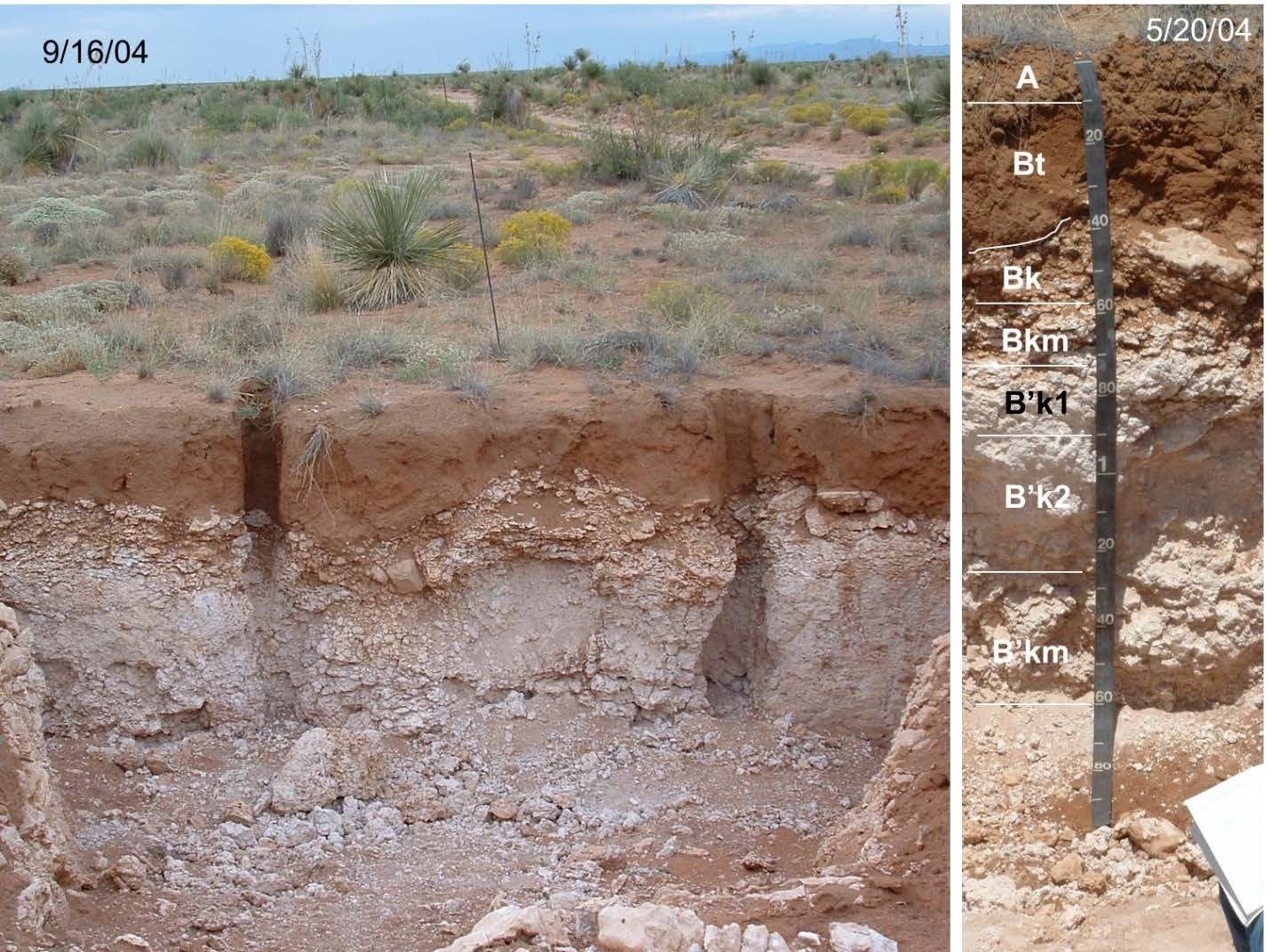

How a project runs
Four steps, with a lab result at each end
The sampling at the start and the end is what makes the middle believable.
- 1
Assess the site
We go through the history, existing reports and lab data, soil type, drainage and the contaminants of concern. If biology is the wrong tool, say a hot spot that needs digging out, we tell you that first.
- 2
Measure a baseline
An independent laboratory measures the contaminants by standard methods, ideally with untreated comparison plots beside the treated ones. Composite samples from several cores give a fairer picture than one grab sample.
- 3
Prepare and apply
Where microbes need oxygen, the soil gets opened up first, and then it's treated with liquid biologicals, biochar and Ancient Soil compost from our Kansas City plant, working with local applicators.
- 4
Monitor and report
Follow-up samples go to the same lab, by the same methods, at set intervals. You get the results as they are, flat or unexpected ones included.
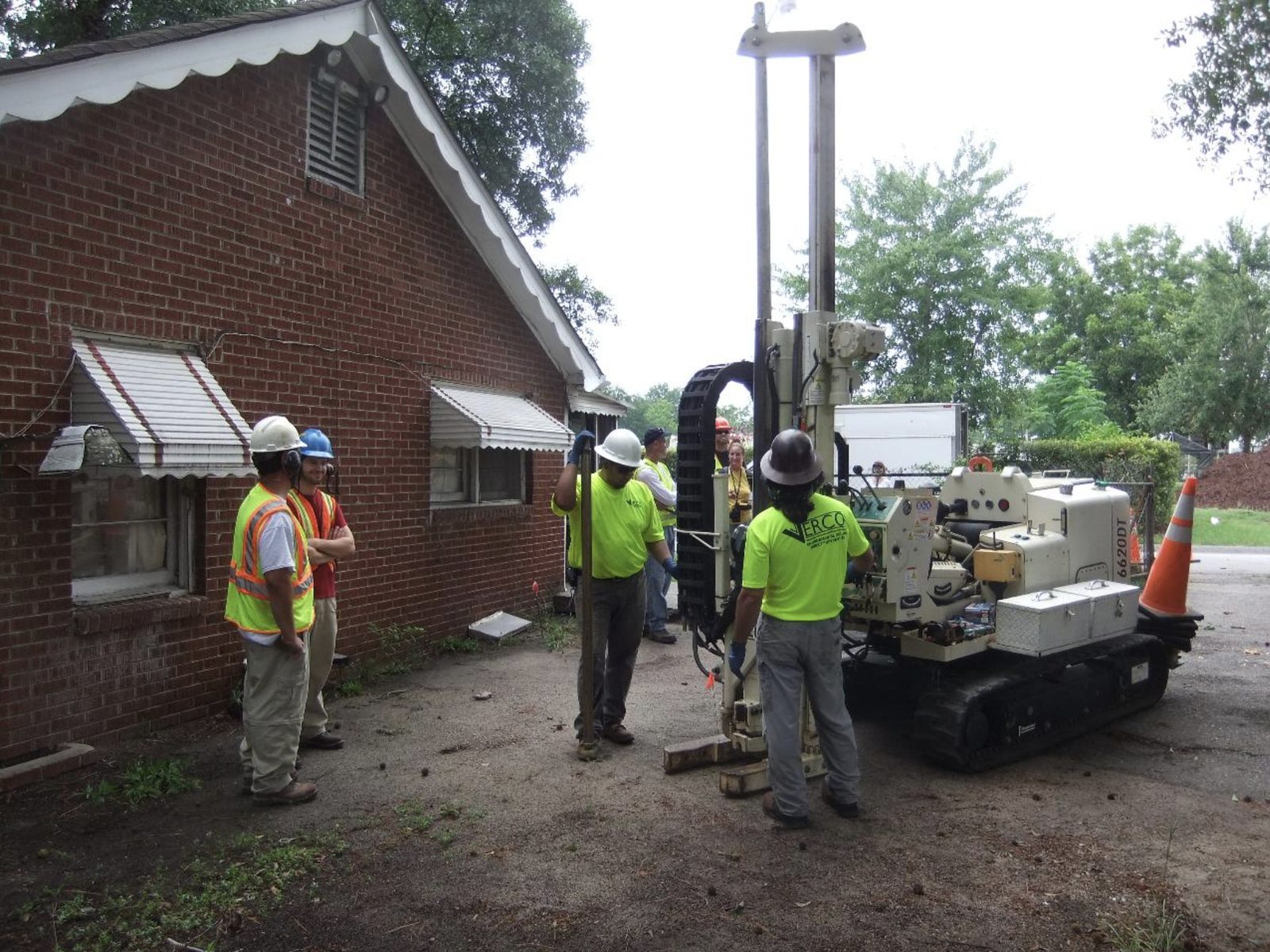
The mechanism
Breakdown or binding
Microbial enzymes can take apart organic contaminants such as fuels and PAHs. Metals are elements, so microbes can only change their form or hold them in place. PFAS sits at the edge of what biology is known to do.
Biology is slow, so we plan for it.
How fast microbes work in soil depends on conditions you can measure. Lighter fuels are usually among the first things to respond. Heavier PAHs take longer, and highly chlorinated compounds longer again.
So every project is built around repeat lab testing over months, often a year or more. A few weeks of data can't tell anyone whether a treatment is working.
Biology also sits comfortably alongside other methods. Excavation is often the right call for hot spots and hard deadlines. Where soil has been dug out and replaced, biology can help rebuild the living soil that clean fill lacks.
Planning a sampling round?
Bring us in before the baseline is taken, so treated and untreated areas can be compared from the first round.
Vik Chhabra
Business Development, Elm Dirt
Vik is the first call for agencies, consultants, landowners and applicators, and he brings in the science and manufacturing side when a site needs it.
It helps to send the site location, what happened there, and any lab reports or maps.