
An Elm Dirt companyยทKansas City, MissouriCDFA Certified Organic

What we treat

What biology can do, contaminant by contaminant.

Each of the seven groups has its own page, which says where the contaminant comes from and what peer-reviewed research shows microbes doing to it, right up to the point where that research runs out.
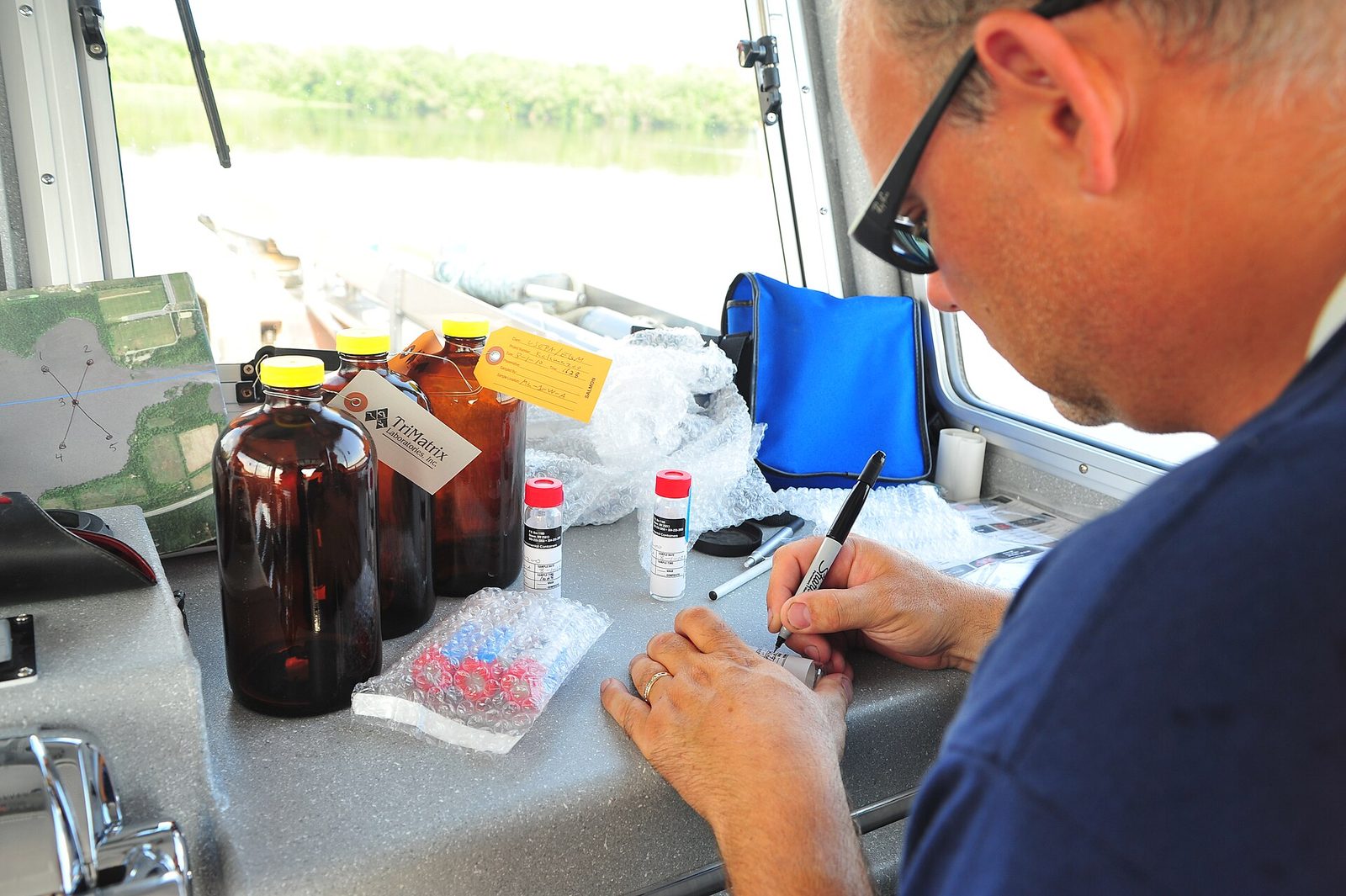
Field technician labeling environmental samples during an EPA spill response.
A field technician labels samples during an EPA spill response.U.S. Environmental Protection Agency, Public domain (US Gov)

The seven groups side by side

Organic compounds can be taken apart, while metals can't, so biology changes their form or holds them in place. PFAS sits at the edge of what microbes are known to do. Open any row for the sources, the organisms and the citations.

GroupIn briefMicrobes break it downBiology or carbon binds it
PAHs & SVOCsSoot and tar compounds left behind by fire, fuel and industry. Soil biology has one of its longest research records on this class, and six organisms in our products have published PAH or phthalate work.Microbes break it down: YesBiology or carbon binds it: YesDioxins & furansCombustion byproducts that bind hard to soil and stay for decades. Our approach pairs soil biology with carbon amendments that hold them in place, measured by an independent lab over time.Microbes break it down: YesBiology or carbon binds it: YesPetroleum hydrocarbonsDiesel, gasoline and fuel oil in soil, plus the benzene family that comes with them. The contaminant class where biological treatment is most established, because the contaminant is food.Microbes break it down: YesBiology or carbon binds it: YesHeavy metalsLead, arsenic, chromium and cadmium are elements, so nothing destroys them. Biology changes where they sit and what form they take, and organisms in our products have published research on both.Microbes break it down: NoBiology or carbon binds it: YesChlorinated solvents & VOCsDegreasers, dry-cleaning fluid, vinyl chloride and the chlorinated ethanes. Biology has a full-scale field record here, and several organisms in our products have published research on these compounds.Microbes break it down: YesBiology or carbon binds it: NoPesticides & herbicidesOrganophosphates, chlorophenoxy herbicides and legacy organochlorines behave very differently in soil. Biology handles some of them well, and the breakdown products deserve as much attention as the parent chemical.Microbes break it down: YesBiology or carbon binds it: YesPFASFor PFAS, the so-called forever chemicals, the established field tool today is holding them in place with carbon amendments and measuring leaching over time, which is the approach we take.Microbes break it down: Emerging researchBiology or carbon binds it: Yes

One diagram, used on every contaminant page

The diagram puts the contaminant on the left, the microbial step in the middle and the outcome on the right, and each contaminant page fills it in with what is documented for that group.

Diagram: Contaminant, microbial action, outcomeAn organic compound or a metal, held in soil water and on soil particles. Bacteria and fungi make enzymes that attack specific chemical bonds, or bind and transform metal ions. Breakdown: in the research. Organic compounds are taken apart into smaller molecules, then carbon dioxide, water and biomass. Binding: in the research. Metals and some persistent compounds are bound or precipitated, so less of them moves or is taken up.01 CONTAMINANT02 MICROBIAL ACTION03 OUTCOME ContaminantAn organic compound or a metal,held in soil water and on soilparticles.Microbial actionBacteria and fungi make enzymesthat attack specific chemicalbonds, or bind and transformmetal ions.CO2H2OIN THE RESEARCHBreakdownOrganic compounds aretaken apart into smallermolecules, then carbondioxide, water andbiomass.IN THE RESEARCHBindingMetals and somepersistent compounds arebound or precipitated, soless of them moves or istaken up.Diagram: Contaminant, microbial action, outcomeAn organic compound or a metal, held in soil water and on soil particles. Bacteria and fungi make enzymes that attack specific chemical bonds, or bind and transform metal ions. Breakdown: in the research. Organic compounds are taken apart into smaller molecules, then carbon dioxide, water and biomass. Binding: in the research. Metals and some persistent compounds are bound or precipitated, so less of them moves or is taken up.01 CONTAMINANTContaminantAn organic compound or a metal, heldin soil water and on soil particles.02 MICROBIAL ACTION Microbial actionBacteria and fungi make enzymes thatattack specific chemical bonds, orbind and transform metal ions.03 OUTCOMECO2H2OIN THE RESEARCHBreakdownOrganic compounds are takenapart into smaller molecules,then carbon dioxide, waterand biomass.IN THE RESEARCHBindingMetals and some persistentcompounds are bound orprecipitated, so less of themmoves or is taken up.
Fig. 1Biology can take two routes in contaminated soil, and which one applies depends on the contaminant. Rates depend on site conditions and are confirmed by lab testing over months.

Have sampling data for a site?

Send it with the location, and we'll tell you which of these groups biology can work on there, and which it can't.

Vik Chhabra

Business Development, Elm Dirt

Vik is the first call for agencies, consultants, landowners and applicators, and he brings in the science and manufacturing side when a site needs it.

It helps to send the site location, what happened there, and any lab reports or maps.