
Where we help
Where living soil belongs in a cleanup.
Nine kinds of damaged ground, each with a page that starts with how those sites are normally handled and then says where biology fits in and where it doesn't.
- Site types covered
- 9
- Field program
- East Palestine, Ohio
- Typical timeline
- Months to a year or more
Site types
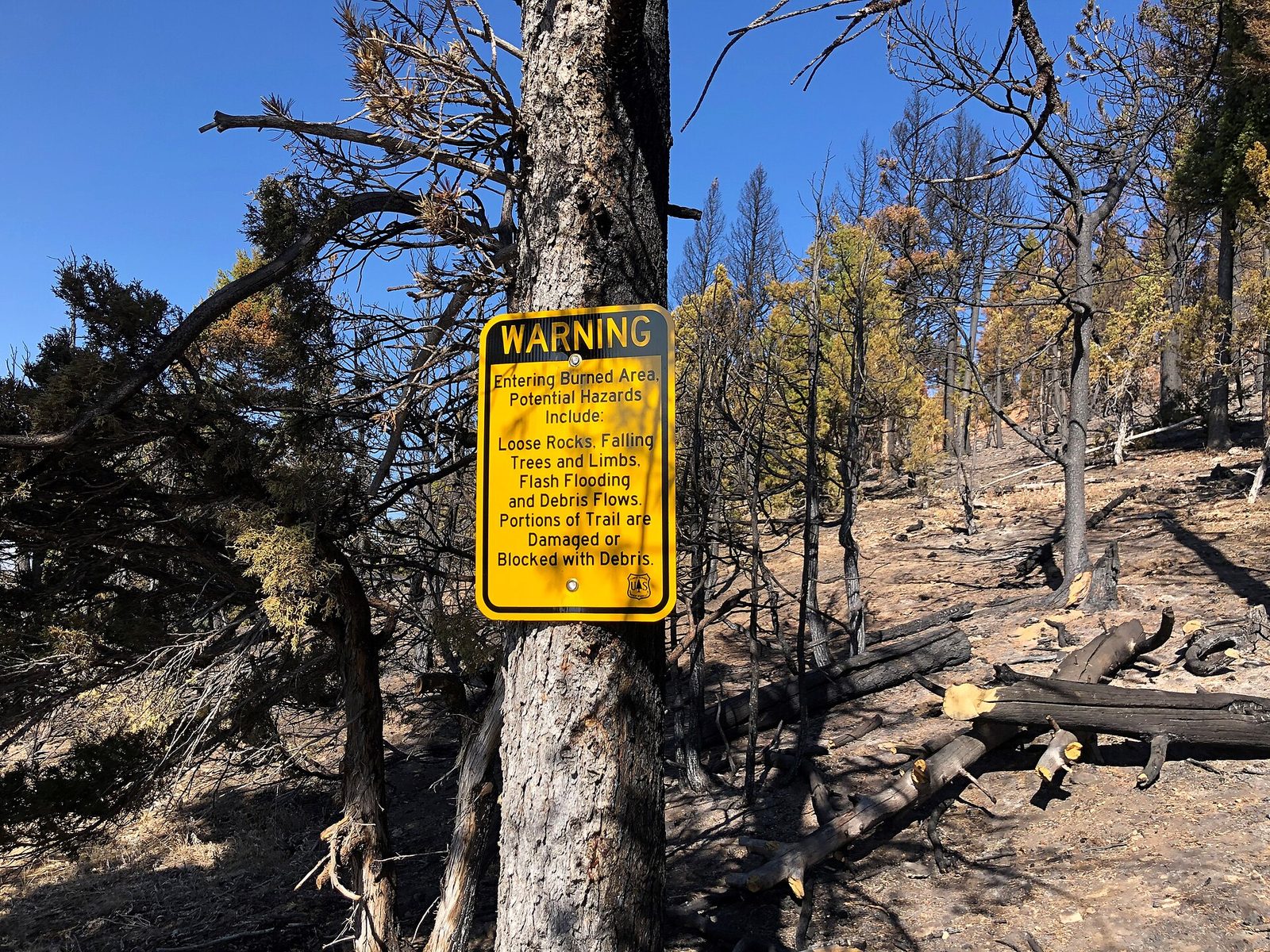 Wildfire Burn ScarsFire leaves two problems in the ground: ash residues where buildings burned, and soil that sheds water and has lost its biology. Debris removal handles the first, and rebuilding living soil is the long second half.
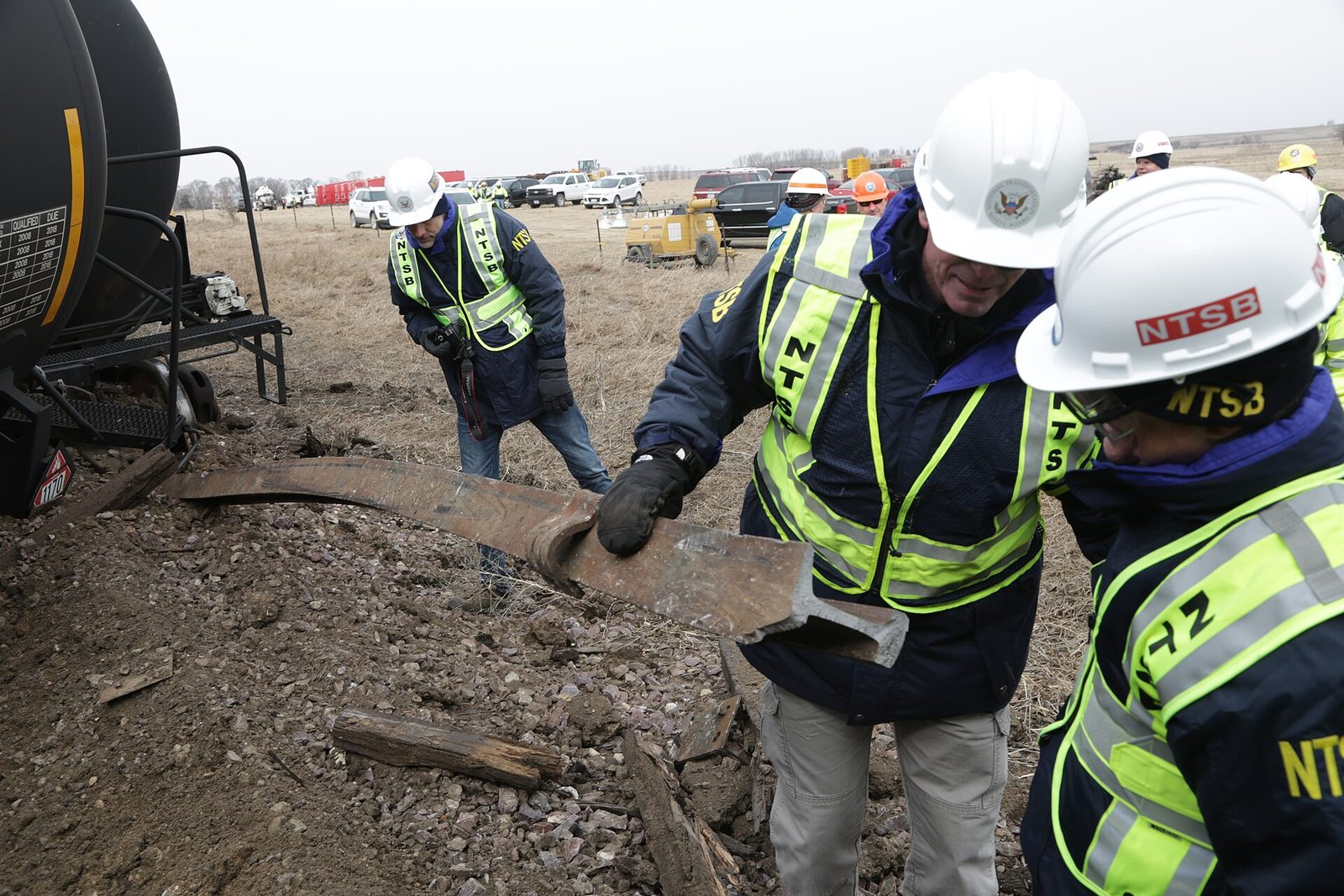 Train DerailmentsAfter a derailment, emergency cleanup comes first. Soil biology fits in the long tail: biodegradable spills, post-excavation ground that has to grow again, and the monitoring that tells a community what is actually happening.
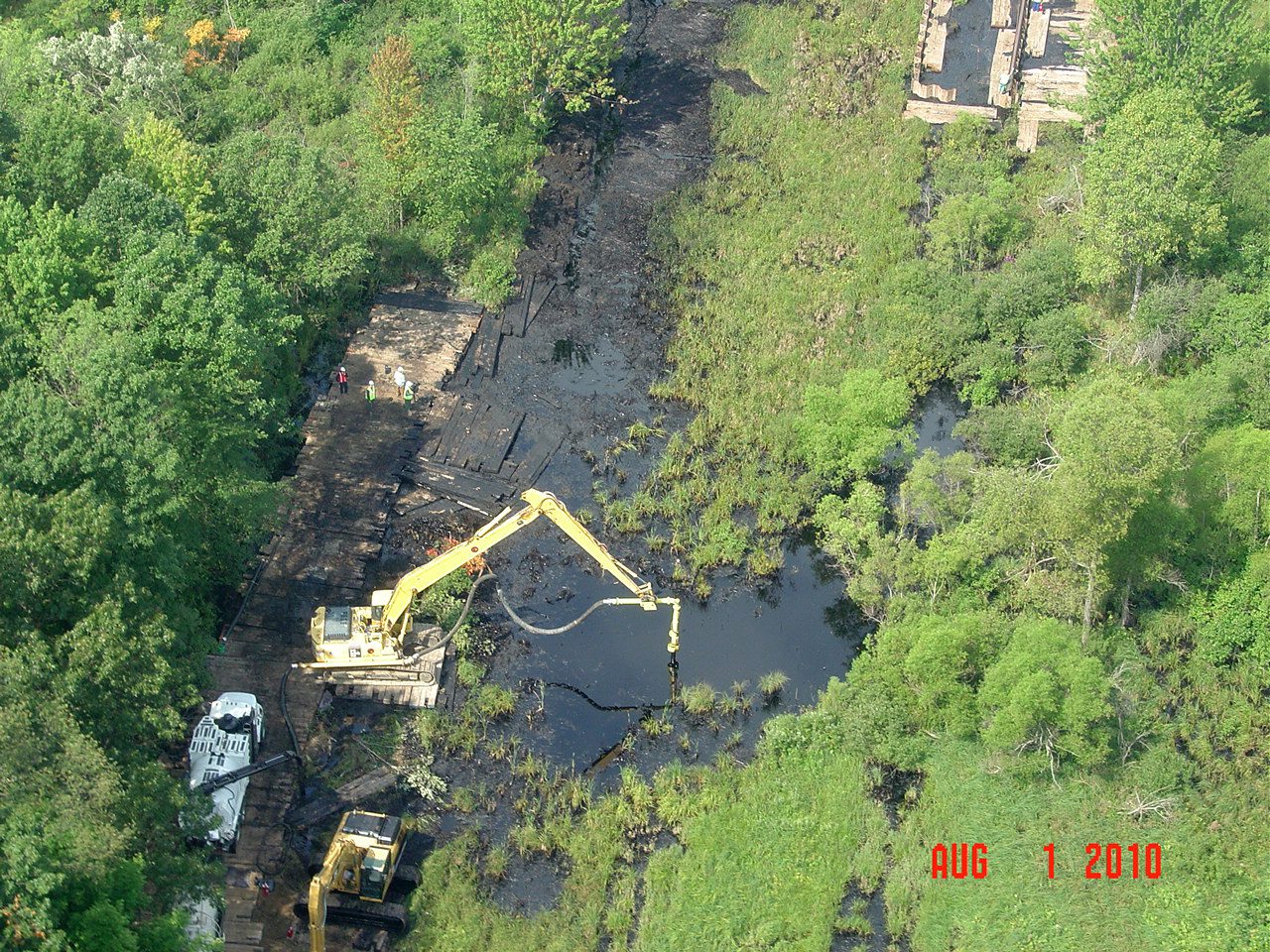 Fuel and Oil SpillsPetroleum is the contaminant biology handles best. Diesel, gasoline, crude and lubricating oils are food for a wide range of soil microbes, and treating them in soil is an established, regulator-accepted practice.
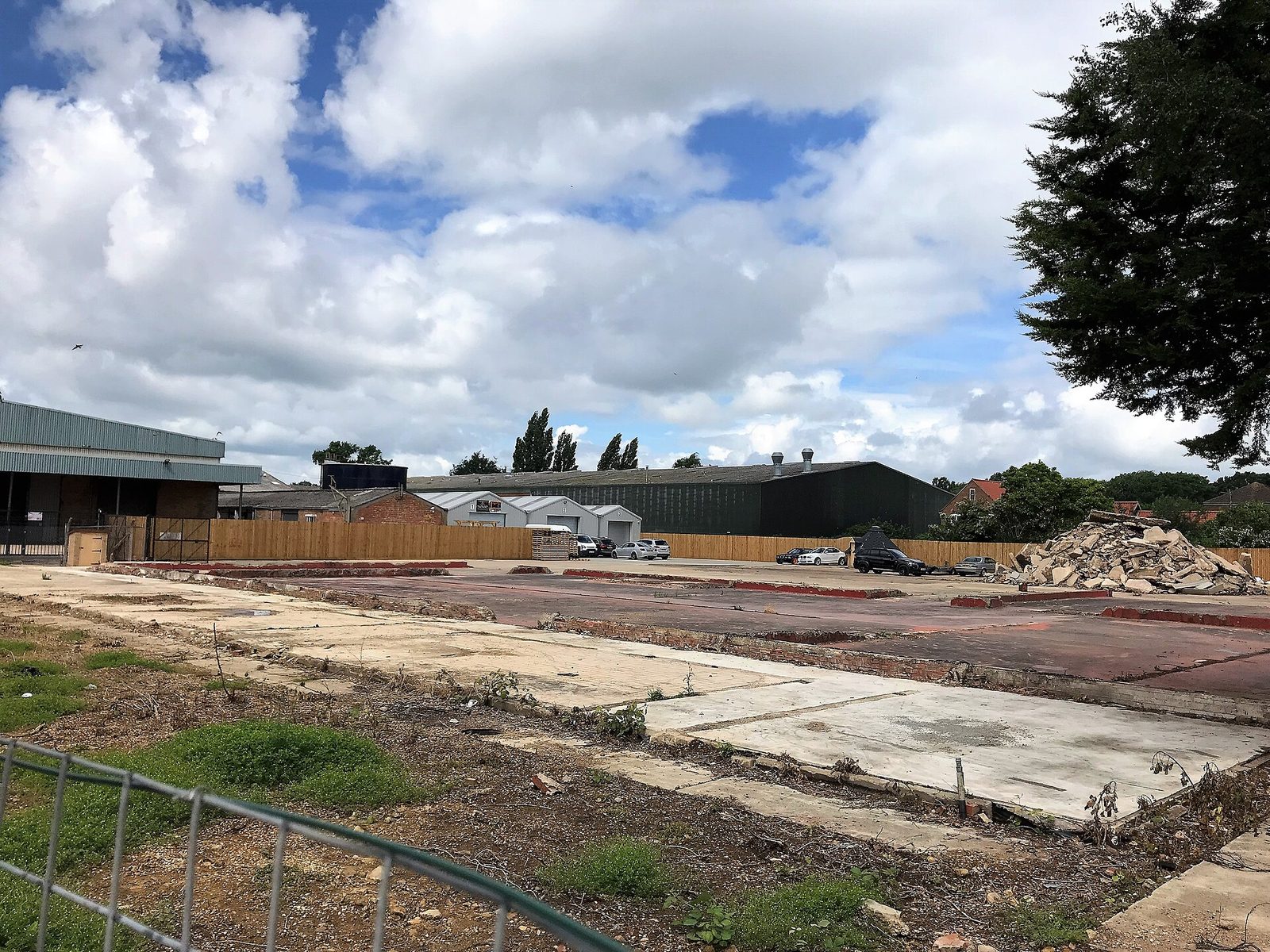 BrownfieldsFormer industrial and commercial land with mixed legacy contamination. Biology has an accepted role for petroleum and some solvents, and a large one in rebuilding soil once a site is headed for green space.
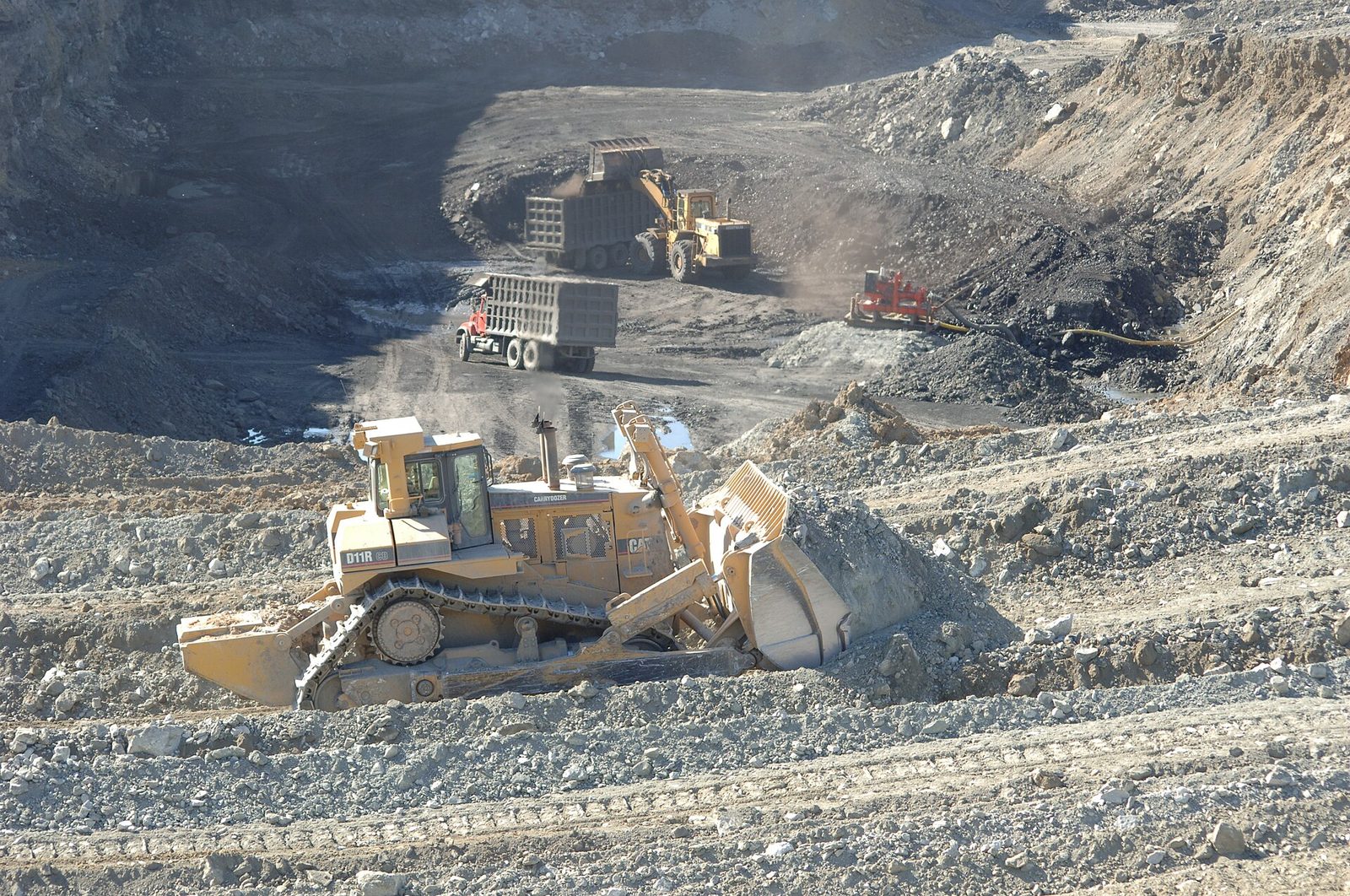 Abandoned Mine LandsMine spoil and tailings are often acidic, metal-laden and nearly lifeless. The accepted fix is to neutralize, cover and revegetate, and that last step depends on building living soil where there was none.
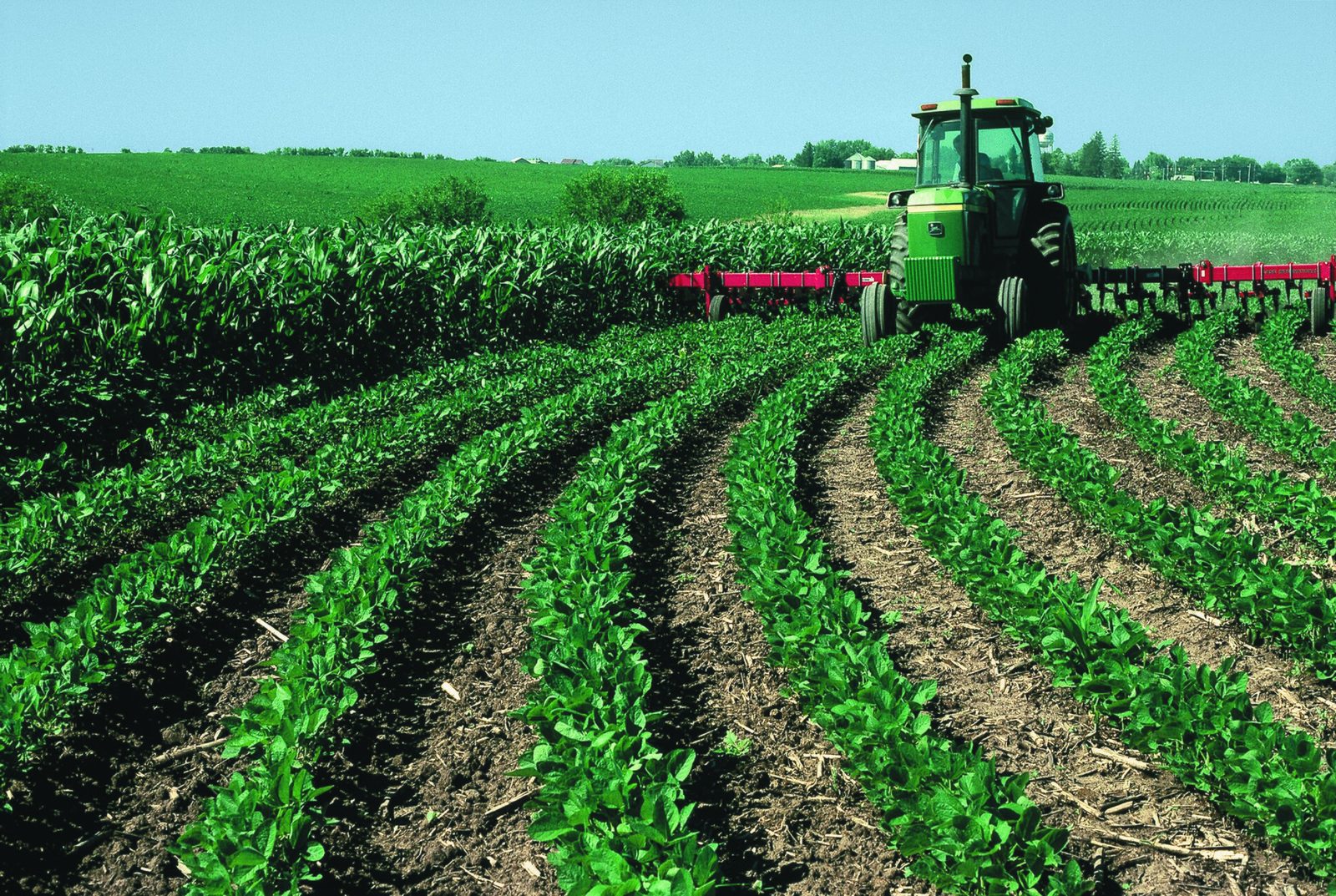 Agricultural LandFarm soils carry pesticide and herbicide residues, and sometimes spills of fuel or brine. Living soil is where most of those residues break down, and research shows the biology can adapt to do it faster.
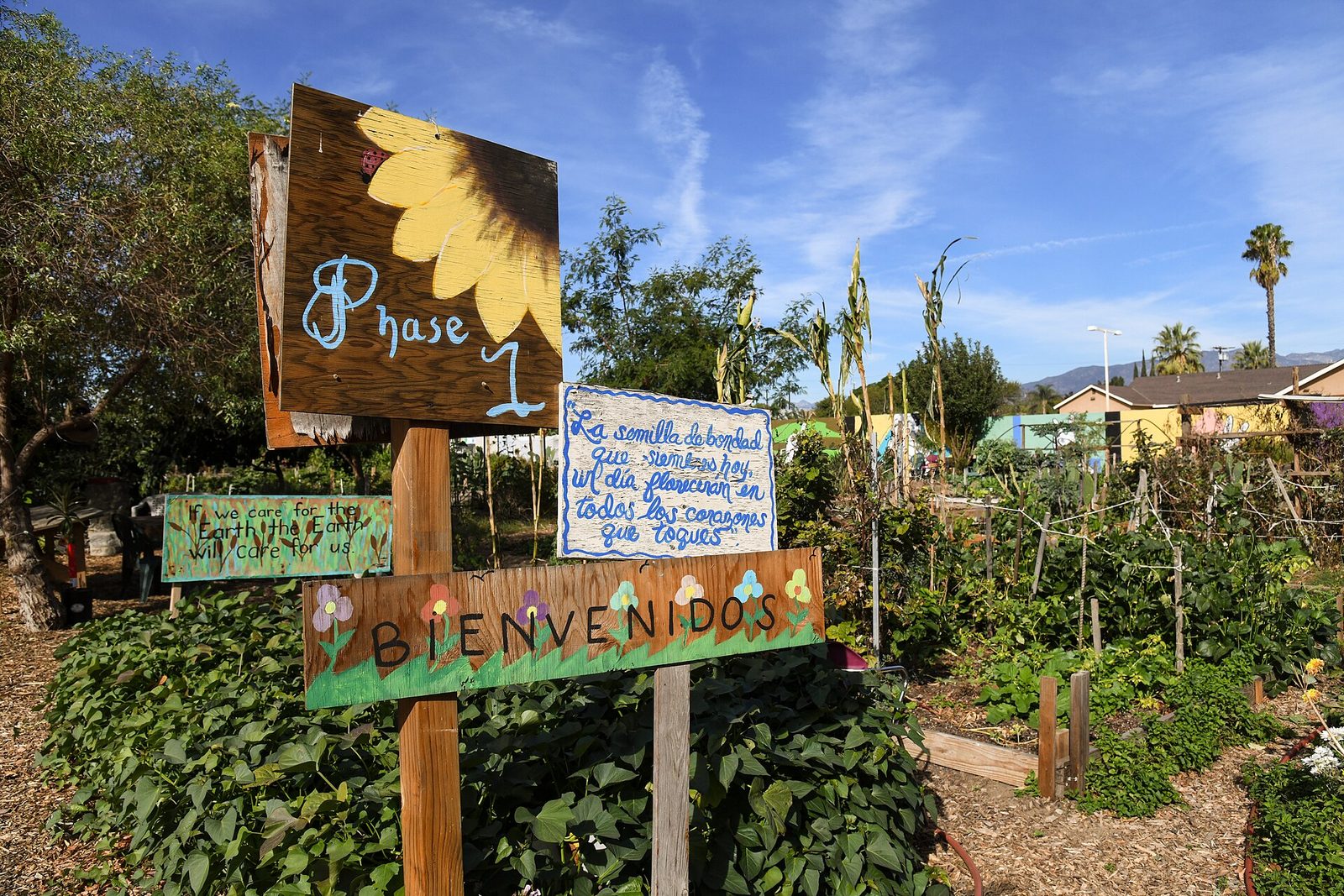 Urban Lead SoilsOld paint, old gasoline and old industry left lead in city soil, in yards, school grounds and community gardens. No microbe destroys that lead, so the practical tools are clean soil, organic matter and good practice to reduce exposure, with testing to tell you where you stand.
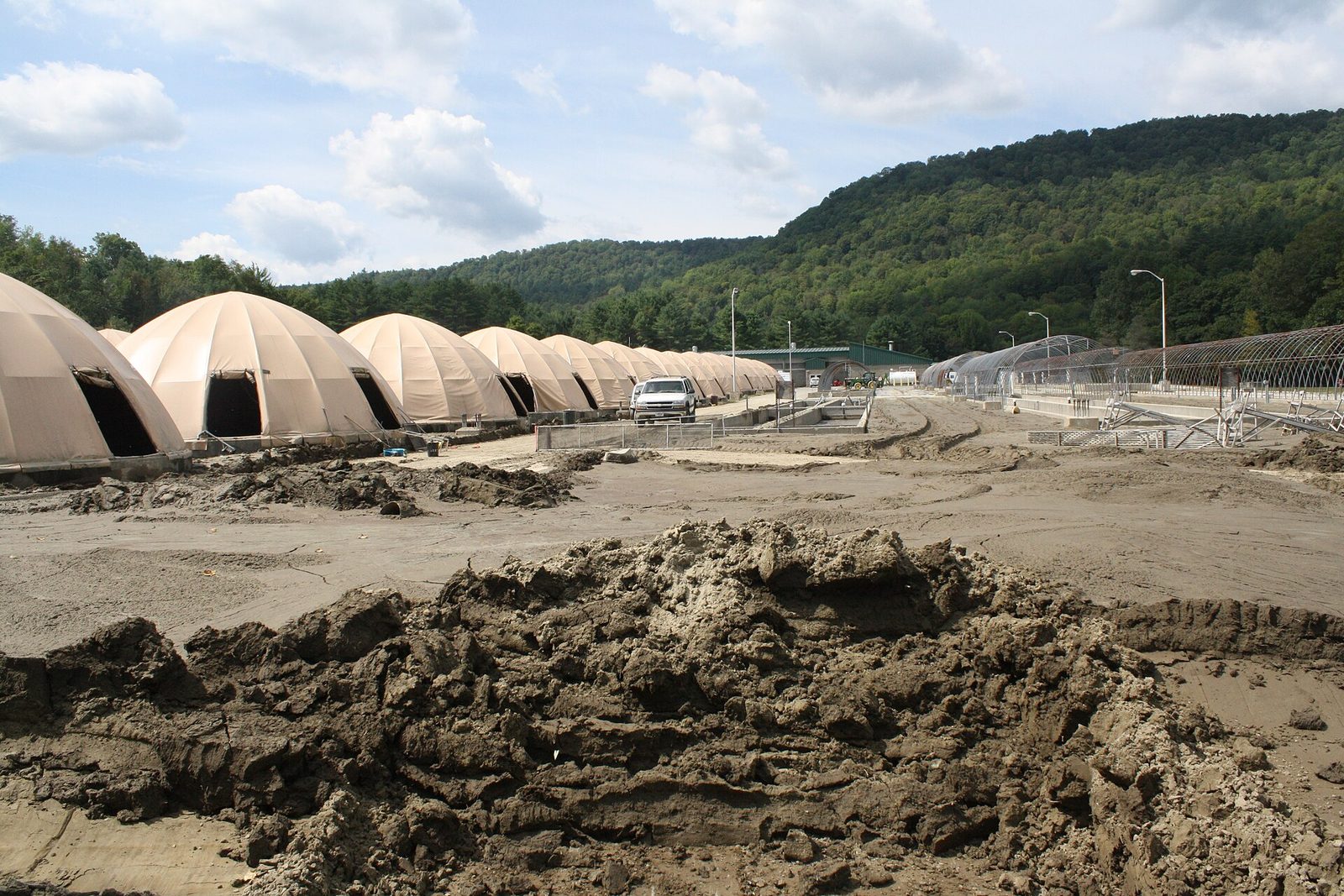 Flood SedimentFloodwater leaves behind sediment that can carry salt, metals, fuel, pesticides and sewage. The first steps are testing, waiting and removing what is clearly contaminated. Rebuilding the soil's biology is what gets the ground growing again.
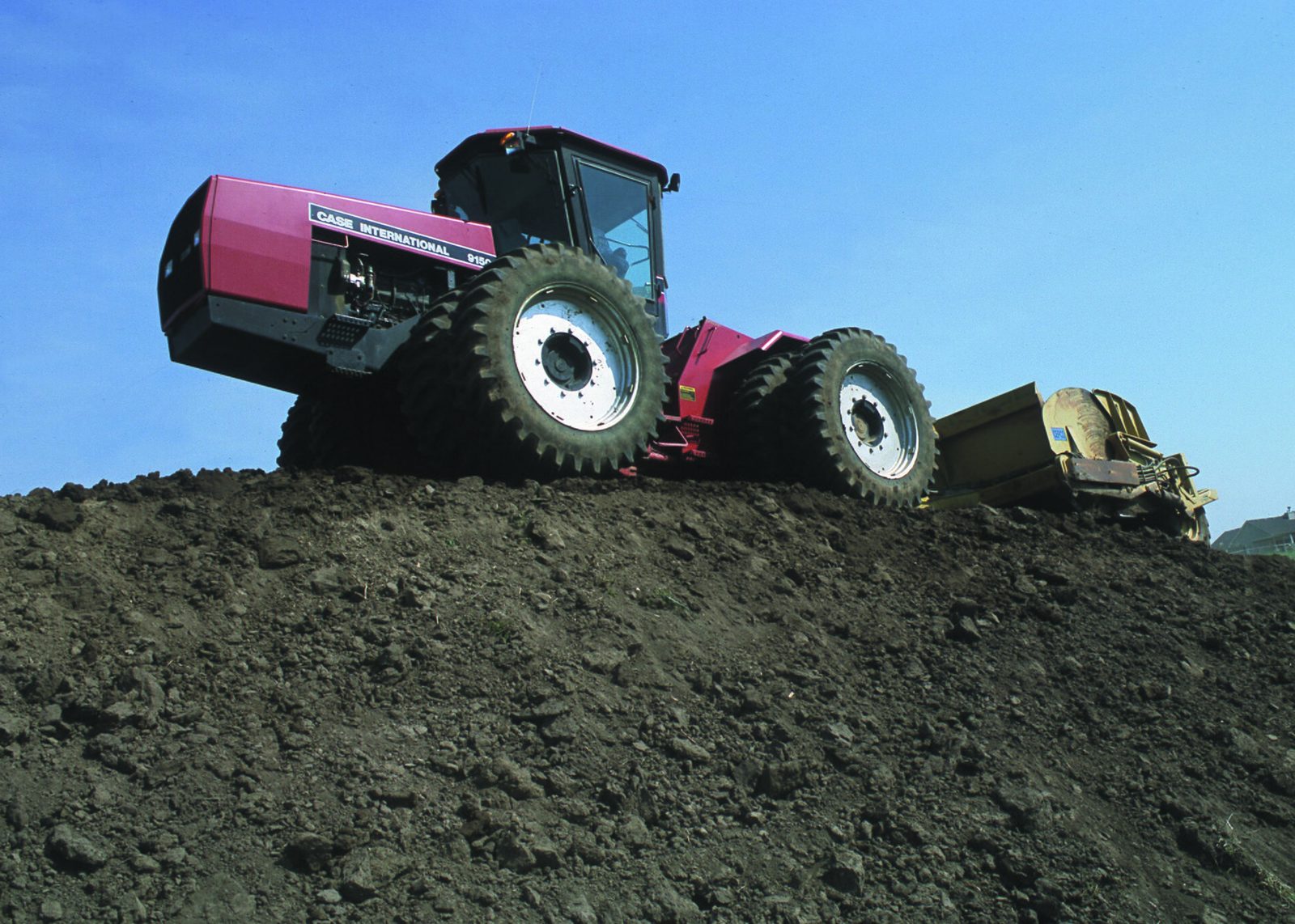 Construction Topsoil RestorationConstruction strips topsoil and compacts what is left. The ground is not contaminated so much as dead. Federal stormwater rules already ask builders to protect topsoil, and rebuilding soil biology is the most direct way to get lasting vegetation back.
Field program
Pilot in progressEast Palestine, Ohio
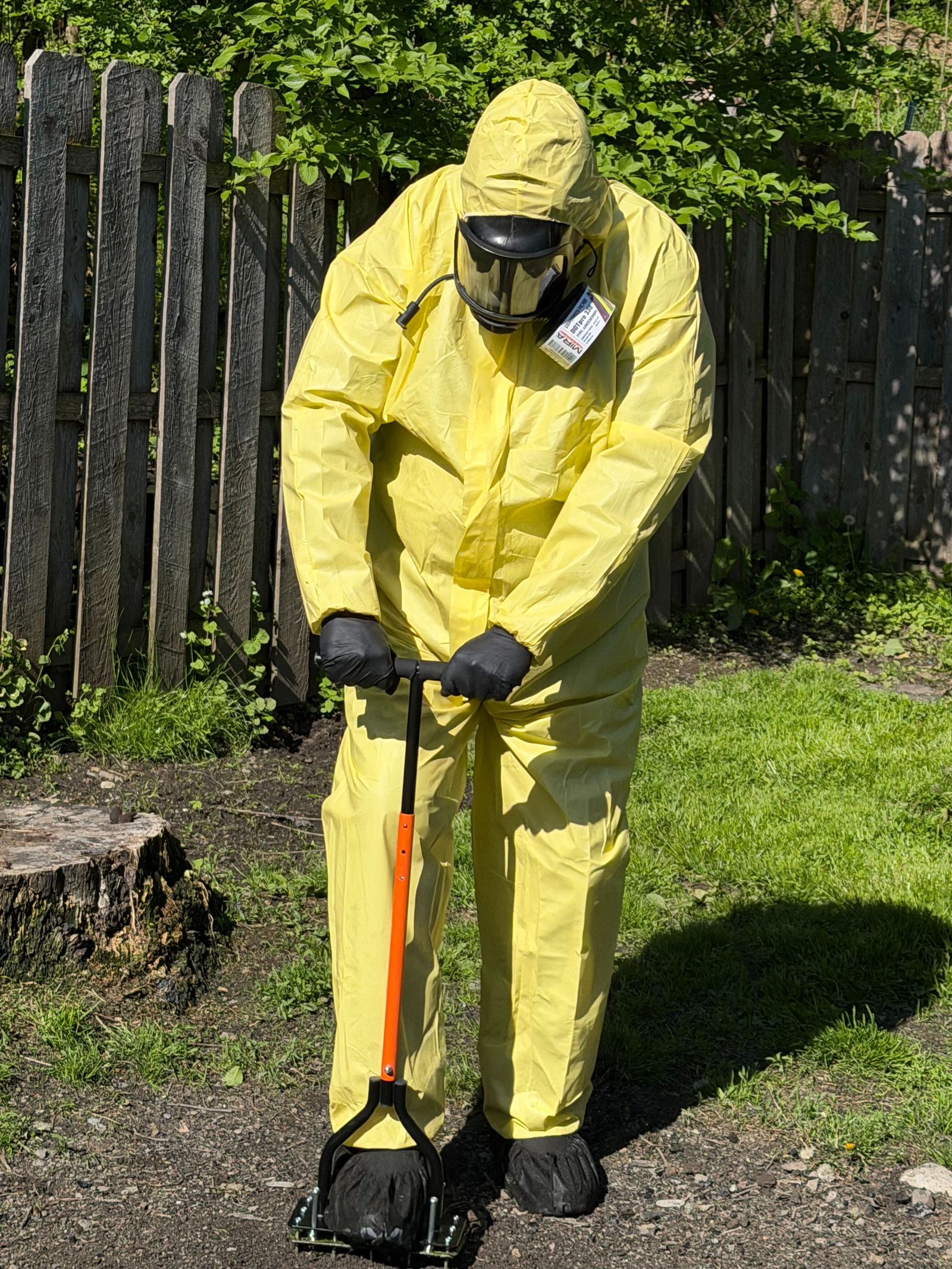
Elm Dirt has product in the ground in East Palestine as part of an ongoing soil-restoration pilot, with independent lab monitoring. We'll publish results after the follow-up testing, and not before.
| Location | East Palestine, Ohio |
|---|---|
| Contaminants of focus | Dioxins & furans · PAHs & SVOCs · PFAS |
| Field work | Applied by trained applicators in protective equipment |
| Monitoring | Independent laboratory testing, before and after |
| Results | They will be published once follow-up testing is complete. |
Not sure which of these your site is?
Most sites are a mix, so tell us what happened and what's been tested, and we'll sort out which parts biology can help with.
Vik Chhabra
Business Development, Elm Dirt
Vik is the first call for agencies, consultants, landowners and applicators, and he brings in the science and manufacturing side when a site needs it.
It helps to send the site location, what happened there, and any lab reports or maps.