
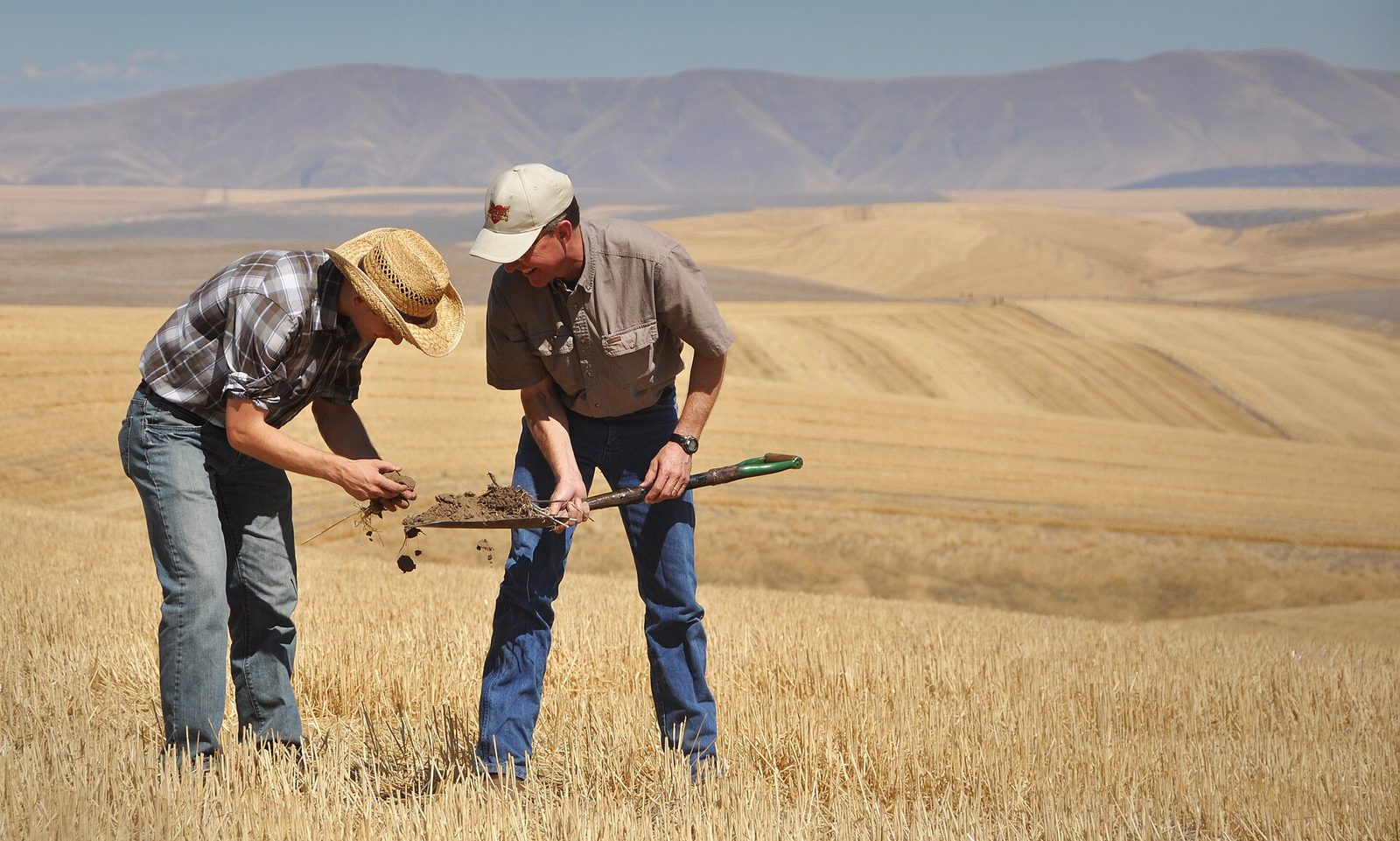
Biology-led soil restoration
Nature already knows how to restore damaged soil. We put the right biology to work.
We make organic soil biology in Kansas City and apply it with your crews on contaminated and damaged ground. An independent lab tests the soil before we start and again afterward, and you see every result.
Photo: USDA Natural Resources Conservation Service
Elm Dirt by the numbers
Bacteria and fungi identified in our Plant Juice by independent DNA sequencing (Biome Makers).
Liquid biologicals from the Kansas City plant, with room to scale up.
Ancient Soil, a Class A certified compost made from worm castings.
Certified by the California Department of Food and Agriculture.
Where we help
From burn scars to rail spills
Every kind of site comes with its own contaminants and its own rulebook. Each page lays out the accepted practice first, then where living soil fits and where it doesn't.
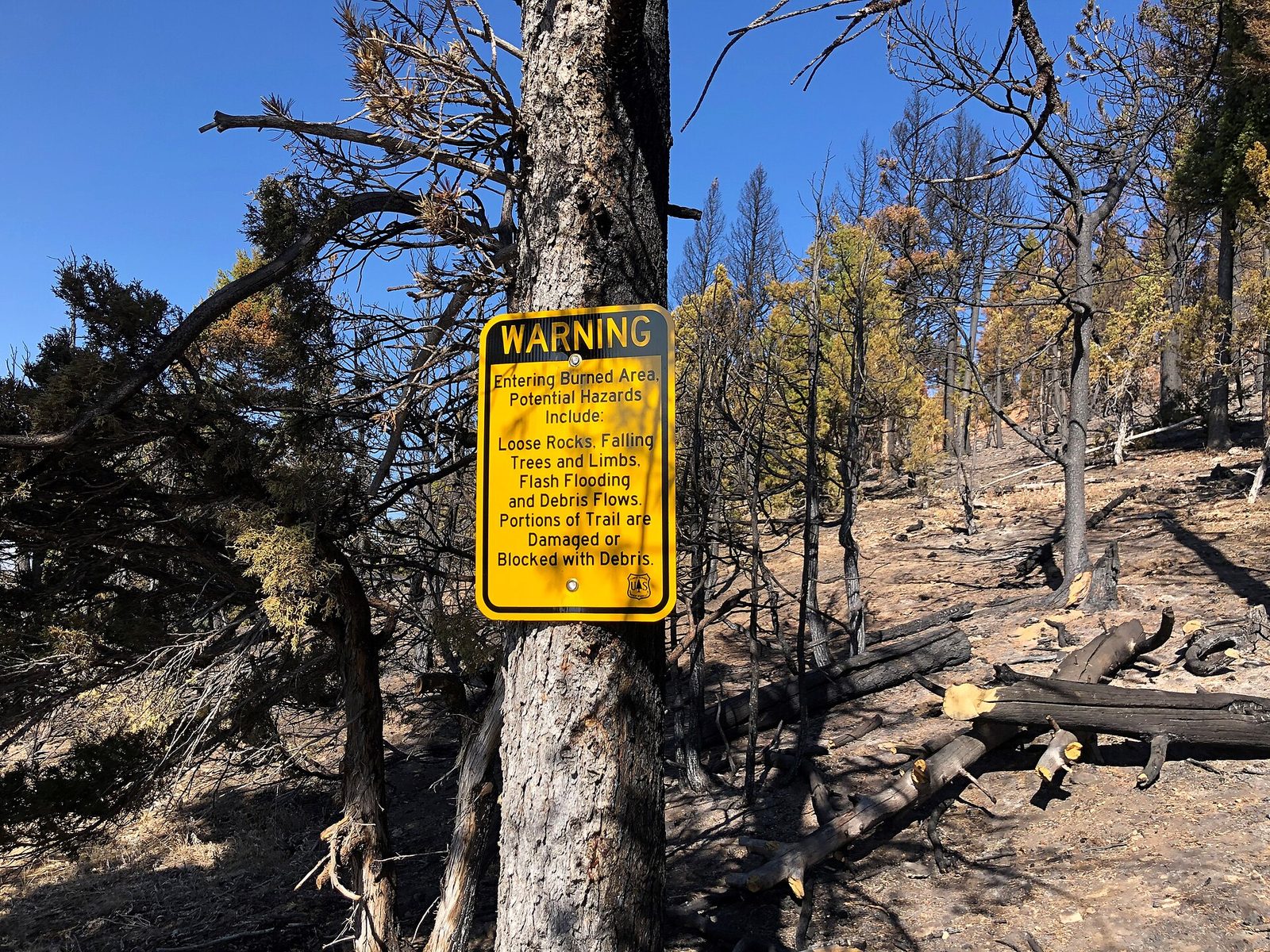
Wildfire burn scars
Debris removal handles the ash. Rebuilding living soil on ground that sheds water and has lost its biology is the long second half.
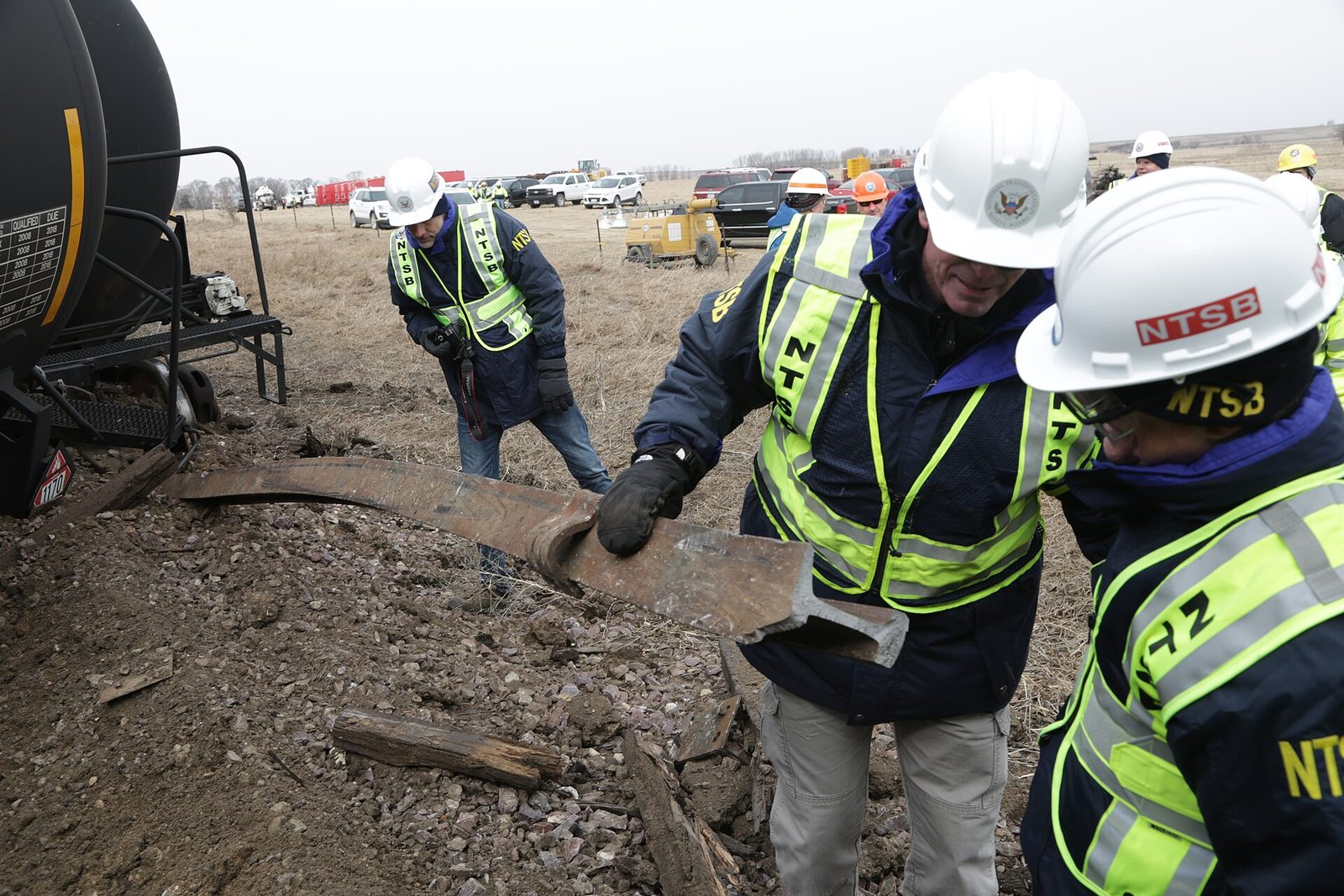
Train derailments & chemical spills
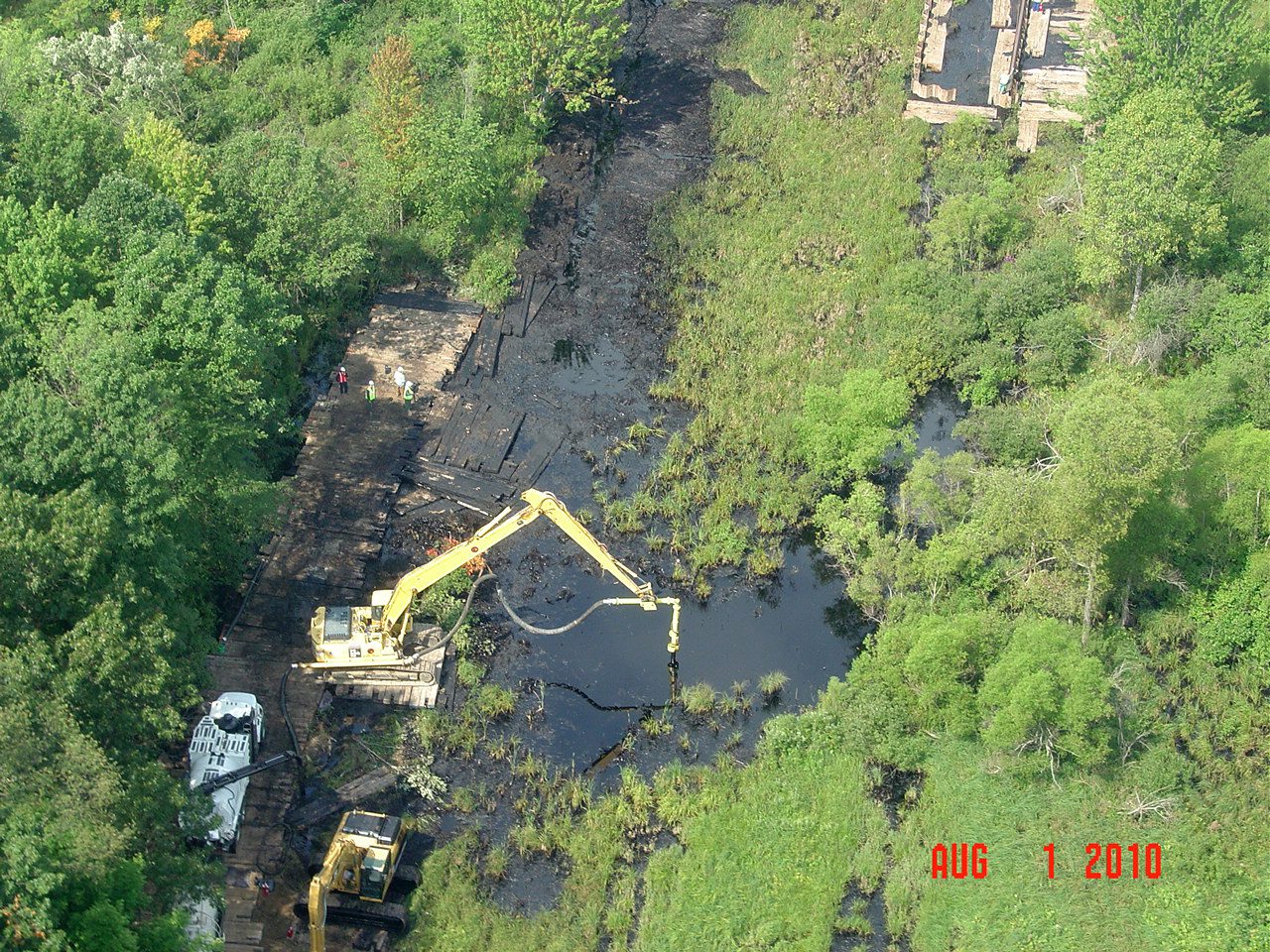
Fuel & oil spills
- BrownfieldsFormer industrial lots where old residues stand between the land and its next use.
- Mine landsSpoil and tailings with almost no living soil, where getting plants to take depends on building it.
- Agricultural landPesticide residue, a fuel or brine spill, or farm ground that has simply lost its biology.
- Urban lead soilsYards, lots and gardens near old paint and old traffic. Biology cannot remove lead, and we say so up front.
- Flood sedimentWhat floodwater leaves on top of the soil, and the drowned biology underneath it.
- Construction topsoilStripped, stockpiled and compacted topsoil that has lost the biology new plantings need.
Most real sites are a mix of these. Tell us what happened and we'll work out which parts biology can help with. All nine site types
What we treat
What biology can do to each contaminant
Microbes either take a contaminant apart or hold it so less of it moves. The chemistry decides which. Each row says which applies, including the two groups where biology's part is limited.
- Breaks down
- Microbes use the compound as food or split its structure.
- Binds
- Biology, biochar and compost carbon hold it in place, so less of it reaches groundwater or plants.
- Breaks down
PAHs & SVOCs
Soot and tar compounds from fire, fuel and industry. Soil bacteria and fungi break the rings apart, and this is where the research record on soil biology runs deepest.
- Breaks down and binds
Dioxins & furans
Combustion byproducts that stay in soil for decades. Microbes are documented on the lower-chlorinated forms. Biochar and carbon hold the rest so less of it moves.
- Breaks down
Petroleum hydrocarbons
Diesel, gasoline and fuel oil. Soil microbes feed on hydrocarbons, which is why treating fuel biologically is established, regulator-accepted practice.
- Binds
Heavy metals
Lead, arsenic, chromium and cadmium are elements, and nothing destroys an element. Biology can change where metals sit and what form they take. Testing shows whether it did.
- Breaks down
Chlorinated solvents & VOCs
Degreasers, dry-cleaning fluid and vinyl chloride. Full-scale biological cleanups exist, run as engineered work with a carbon source and close monitoring.
- Breaks down
Pesticides & herbicides
Organophosphates, phenoxy herbicides and older organochlorines. We test for the breakdown products as carefully as the parent chemical.
- Binds
PFAS
Microbial breakdown of PFAS is early research. What field work supports today is holding PFAS in place with carbon and measuring it over time.
How a project runs
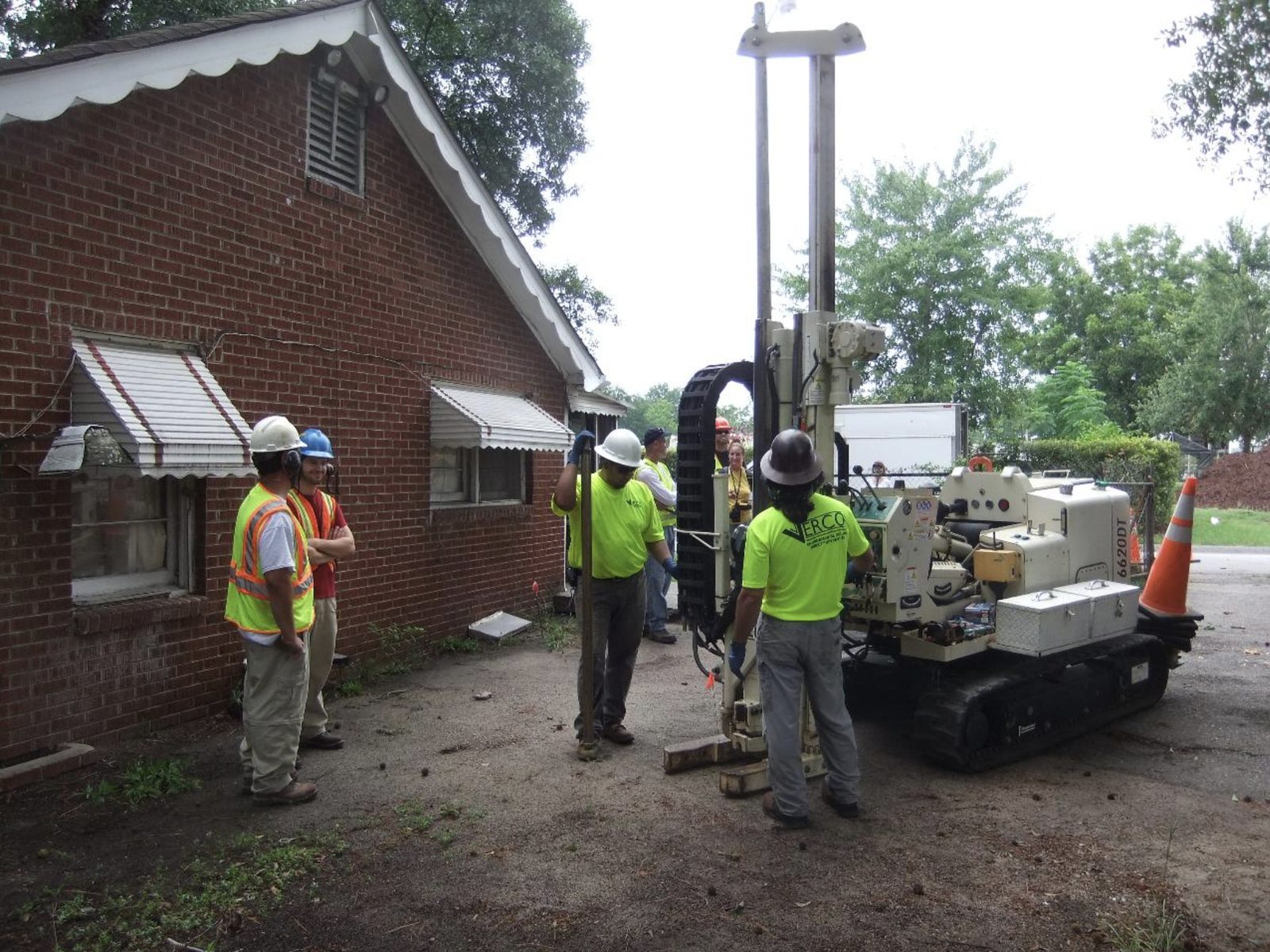
Every project starts and ends with an independent lab
The baseline sample is the number everything else gets compared against, so it's taken before anything goes on the ground.
- 1
Assess
We read what you have: site history, past reports, lab data, soil type. If the site needs digging out more than it needs biology, you'll hear that from us first.
- 2
Baseline lab test
An independent lab measures the contaminants of concern before anything is applied. Every later result is compared to it.
- 3
Apply
Liquid biologicals, biochar and Ancient Soil compost from our Kansas City plant, applied with your applicators. We can be on site for it.
- 4
Monitor and report
Follow-up samples go to the same lab, by the same methods. You get the numbers as they come back, flat results included.
The science
What the research says about the microbes we make
Biome Makers sequenced the DNA in Elm Dirt's biologicals and identified 291 species of bacteria and fungi. Plenty of them are organisms scientists study for breaking down or binding soil contaminants. The library takes them one species at a time and cites the study behind every claim.
 Bacterium
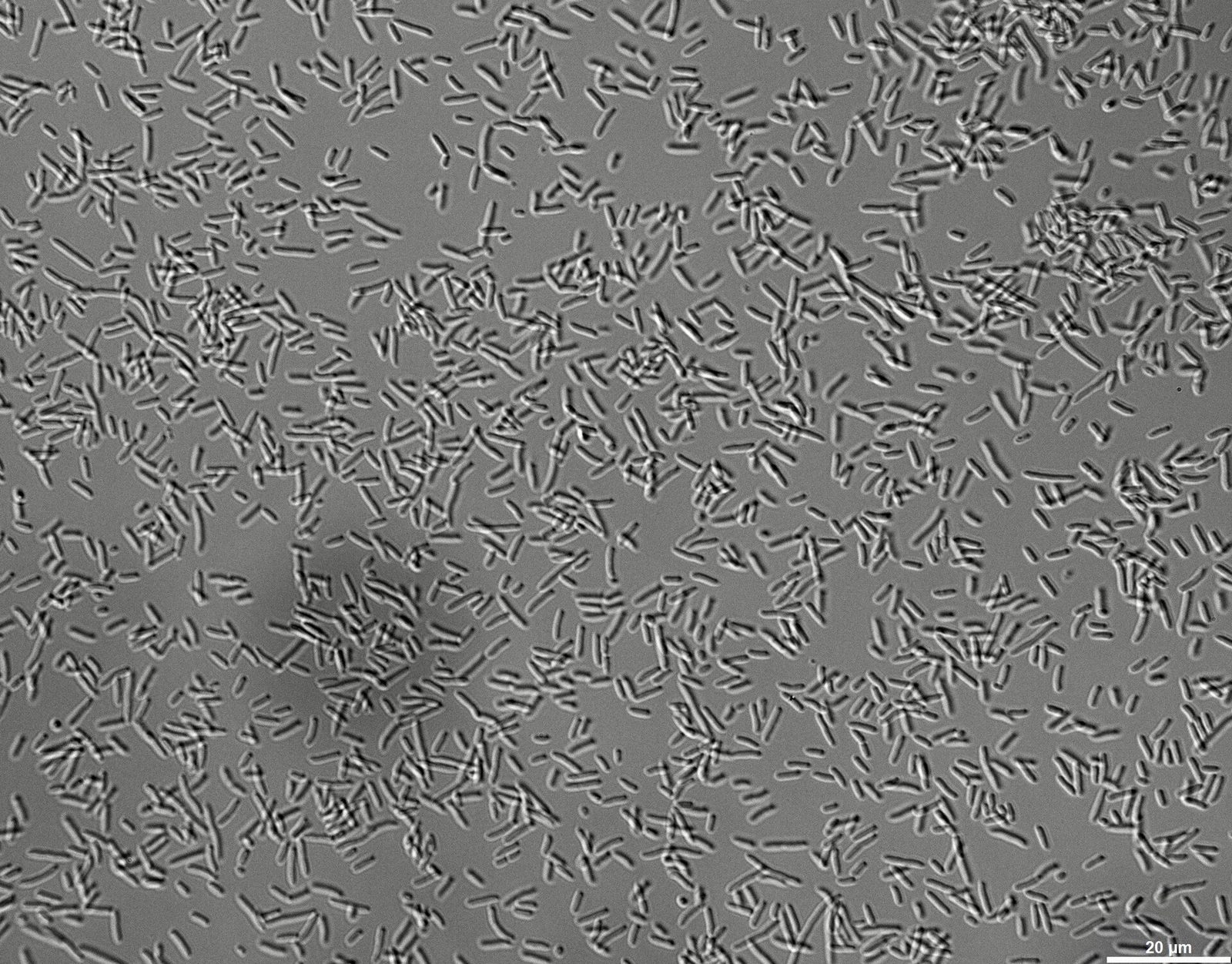
Pseudomonas putida
Fuel and solvent degrader, with one of the deepest research records in bioremediation.
Documented against petroleum hydrocarbons, chlorinated solvents & VOCs, PAHs & SVOCs, pesticides & herbicides, heavy metals, dioxins & furans
 Bacterium
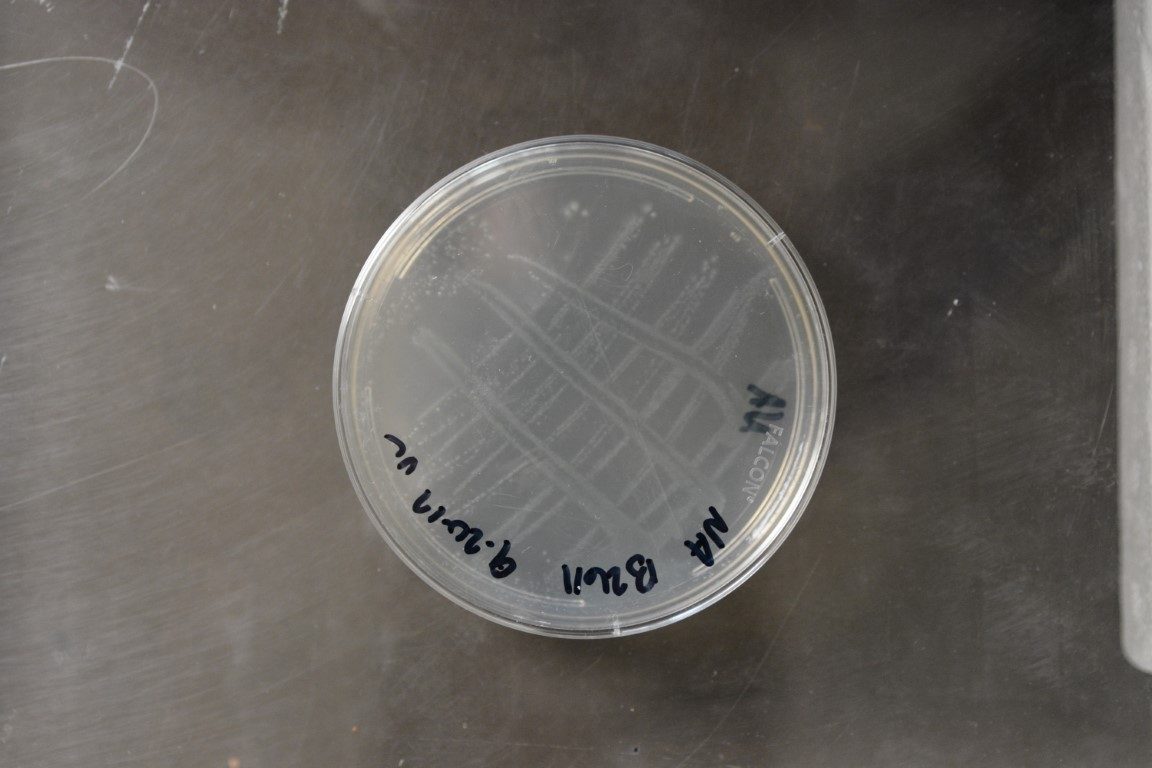
Comamonas testosteroni
Soil-tested PAH degrader that also lifts the activity of the soil's own degraders.
Documented against PAHs & SVOCs, dioxins & furans, chlorinated solvents & VOCs, heavy metals
 Fungus
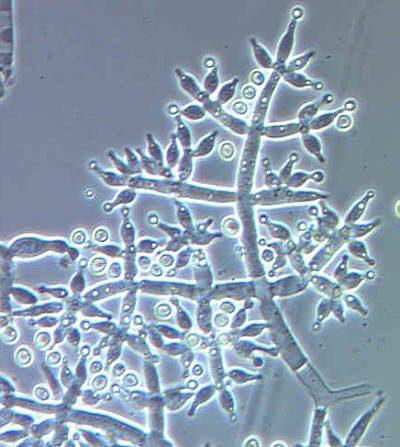
Trichoderma harzianum
Field-tested metal partner, studied alongside biochar on cadmium and arsenic soil.
Documented against heavy metals, PAHs & SVOCs
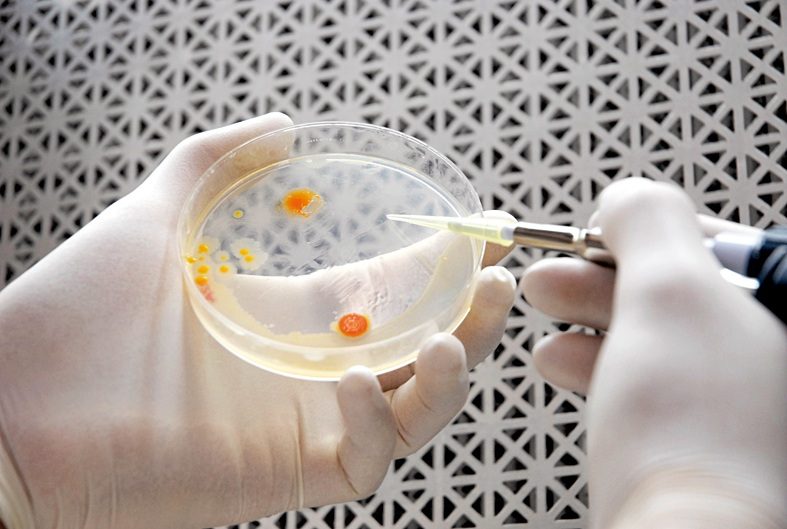 Bacterium
Cupriavidus metallidurans
Metal-binding survivor, carrying dedicated gene systems for lead, cadmium, zinc and more.
Documented against heavy metals
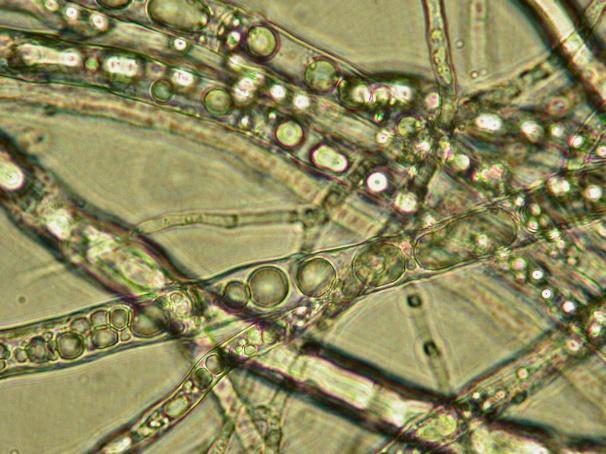 Fungus
Mucor circinelloides
Lead binder and plant partner in lead-contaminated soil research.
Documented against heavy metals, petroleum hydrocarbons
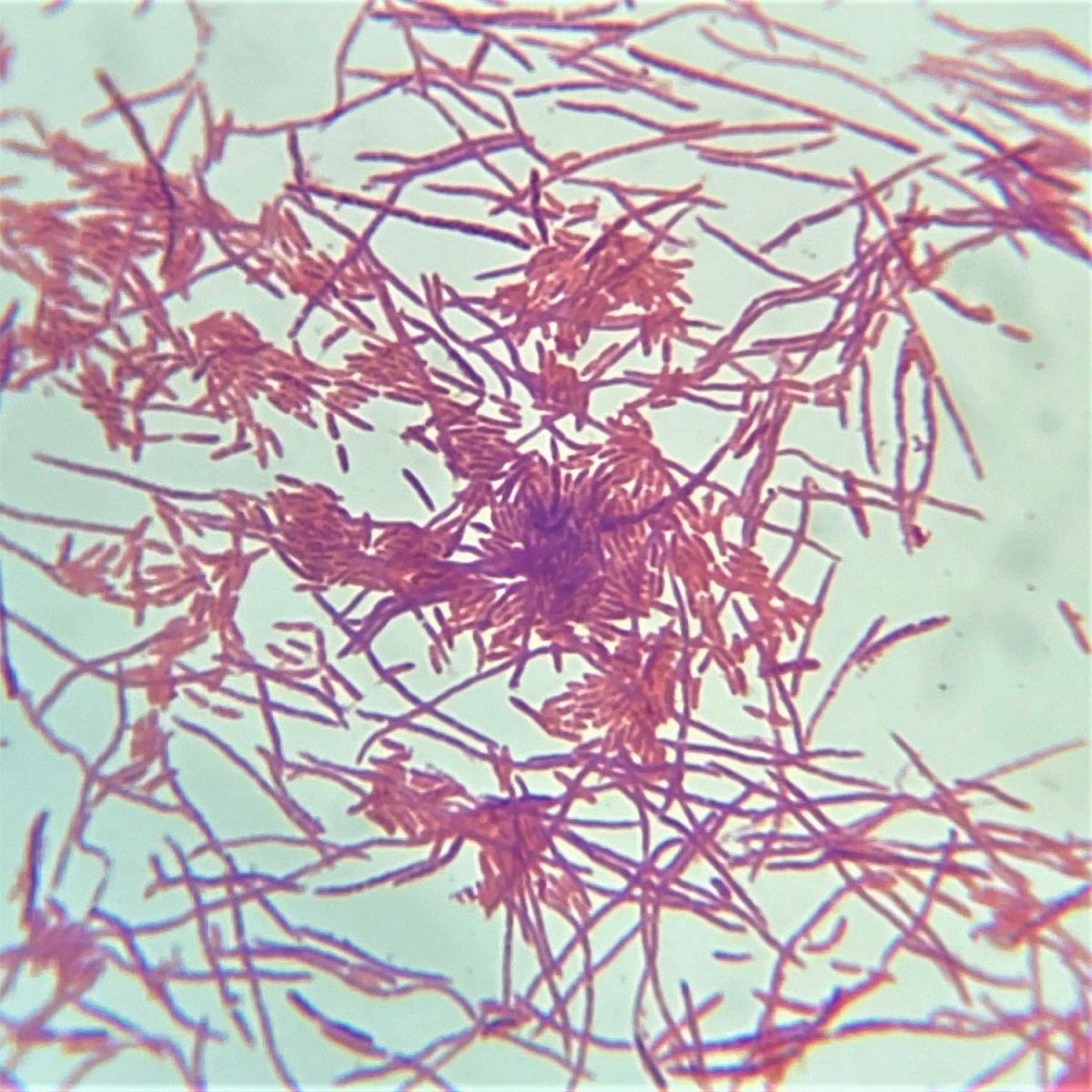 Bacterium
Pseudomonas fluorescens
Root-zone naphthalene degrader, monitored in field soil over two years.
Documented against PAHs & SVOCs, petroleum hydrocarbons
Research on a species tells us what's worth trying. Whether it works on your ground gets measured on your ground, by an independent lab.
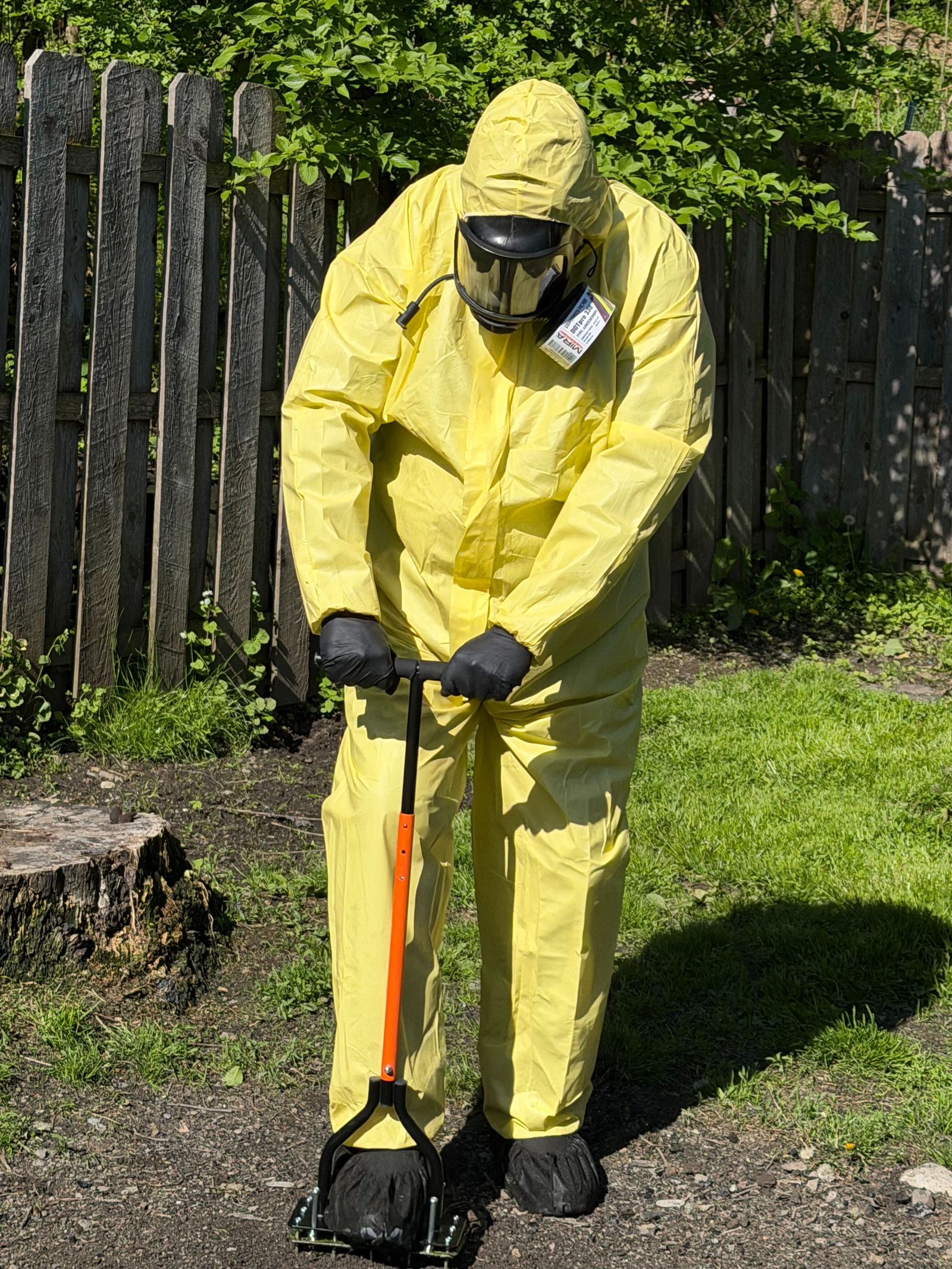
Field program
Pilot in progressEast Palestine, Ohio
Elm Dirt has product in the ground in East Palestine as part of an ongoing soil-restoration pilot, with independent lab monitoring. We'll publish results after the follow-up testing, and not before.
| Location | East Palestine, Ohio |
|---|---|
| Contaminants of focus | Dioxins & furans · PAHs & SVOCs · PFAS |
| Field work | Applied by trained applicators in protective equipment |
| Monitoring | Independent laboratory testing, before and after |
| Results | Not published yet. They come out once follow-up testing is complete. |
White paper
Read the research before you call us
Written for agencies, consultants and landowners who are weighing biology for a specific site. It covers:
- How microbes, fungi, plants and biochar act on contaminants
- Which of the 291 species are documented against which contaminants, with citations
- How we design field work, from the baseline round to monitoring
- Where this approach fits, and where it doesn't
Get the white paper
Three fields, and the PDF downloads straight away.
Your download has started.
If it didn't, this button gets it.
Biological Soil Remediation: What the Science Documents and How We Put It to Work
Tell us about the ground you're responsible for.
Send the location and whatever testing you have. We'll tell you plainly whether biology belongs in the plan, and how we'd measure it.
Vik Chhabra
Business Development, Elm Dirt
Vik is the first call for agencies, consultants, landowners and applicators. He brings in the science and manufacturing side when a site needs it.
Useful to send: the site location, what happened there, and any lab reports or maps.