
Site type
Construction Topsoil Restoration
Construction strips topsoil and compacts what is left. The ground is not contaminated so much as dead. Federal stormwater rules already ask builders to protect topsoil, and rebuilding soil biology is the most direct way to get lasting vegetation back.
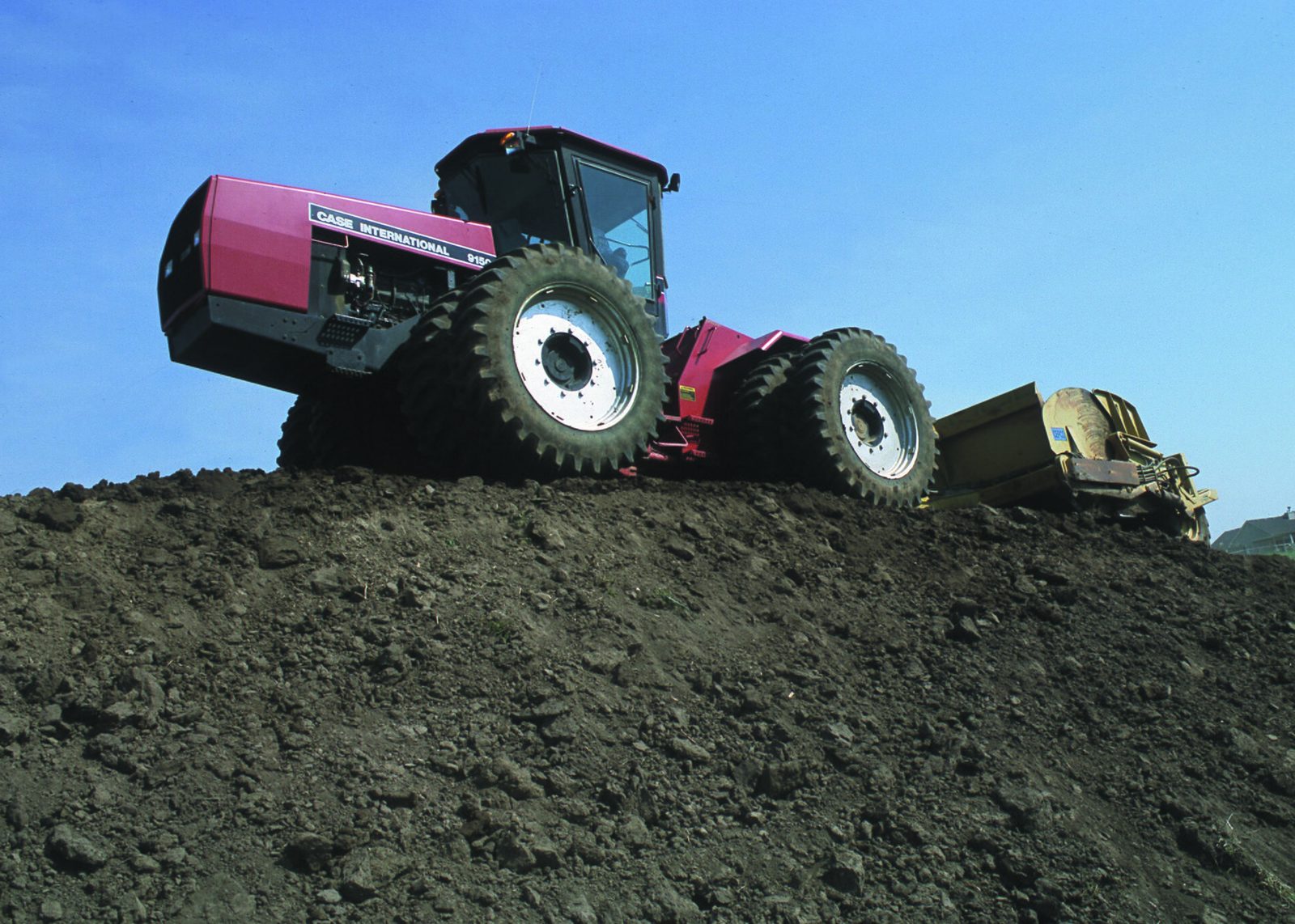
(NRCS_Photo_Gallery).jpg)
On this page (7 sections)
Plenty of damaged ground has no contaminant in it at all. On a typical construction project the topsoil gets stripped, stockpiled or hauled off, heavy equipment packs the subsoil, and the finished site is expected to grow grass, trees and landscaping on ground with almost nothing alive in it.
What is usually wrong with the soil
- The dark, biologically active topsoil is scraped off and often not fully returned.
- Heavy equipment compacts the ground and crushes pore space, so roots can’t push through and water runs off.
- Stockpiled topsoil loses much of its living community over time, and exposed subsoil had little biology to start with.
- Imported fill of unknown quality can bring its own problems, and it should be tested if there is any doubt.
The results are familiar: lawns that never thicken, trees that fade after a few years, eroding slopes, stormwater problems that outlast the project.
What the rules already ask for
EPA’s 2022 Construction General Permit, which covers construction sites under federal stormwater permitting, requires operators to preserve native topsoil unless that is infeasible and to minimize compaction where final vegetation or infiltration practices will go [1]. EPA’s explanation notes that healthy soils hold and absorb more water, grow healthier plants and resist erosion [1]. Many states issue their own construction stormwater permits along similar lines, and some local governments set post-construction standards for soil depth and compost.
Where biology fits
Of all the site types here, this one fits soil biology most directly, and it involves no contamination claim.
Soil aggregates, the crumbs that let water and roots move, are built and held together by fungal networks and microbial byproducts [2]. Organic matter and living biology added to decompacted ground bring that structure back.
Plants on restored ground establish better and last longer in soil with organic matter and an active microbial community, which keeps slopes covered and stormwater practices working after the contractor leaves.
When topsoil has to sit in a stockpile during the project, adding biology back as it is spread gives it a head start.
The usual sequence is to decompact first (ripping or deep tillage), add compost, apply biology, seed or plant, and keep the ground covered. A real difference takes a growing season or more, tracked with simple soil tests for organic matter, infiltration and compaction.
Our products here
Ancient Soil is our Class A certified compost made from worm castings. Plant Juice is a CDFA Certified Organic liquid in which independent DNA sequencing by Biome Makers identified 291 microbial species, many of them common soil organisms involved in nutrient cycling and plant growth. The microbe library covers the species with published research.
We manufacture in Kansas City, Missouri, with capacity for 18,000 gallons of liquid biologicals and 35,000 pounds of Ancient Soil per week, and we work directly with applicators and landscape contractors.
Who this is for
Developers, municipalities writing post-construction soil standards, landscape and erosion-control contractors, and anyone who has to keep a finished site green.
Talk with us
If you are planning site restoration on a construction project or drafting a soil standard, we can help with specifications and application. Talk with us.
Sources
- U.S. EPA (2022). 2022 Construction General Permit (CGP), permit and fact sheet. epa.gov · fact sheet
- Rillig MC, Mummey DL (2006). Mycorrhizas and soil structure. New Phytologist 171(1):41–53. doi:10.1111/j.1469-8137.2006.01750.x
Managing a site like this?
Tell us where it is and what's been tested, and we'll tell you where biology fits in the plan, if it fits at all.