Fungus · Field-tested metal partner
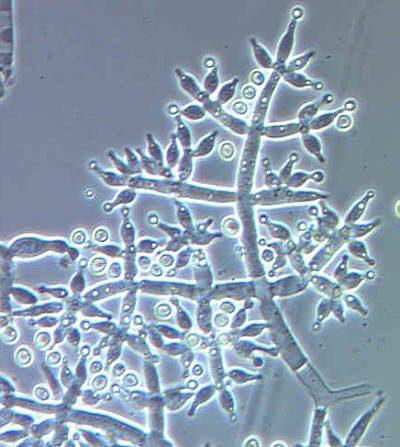
Trichoderma harzianum
In a field experiment on cadmium- and arsenic-contaminated soil, this fungus combined with biochar raised plant metal uptake several-fold and lowered total soil cadmium and arsenic.

| Contaminant | What the research documents |
|---|---|
| PAHs & SVOCs | Extracellular oxidative enzymes, co-metabolic (genus-level evidence) |
| Heavy metals | Rhizosphere conditioning with biochar; field soil cadmium down 19–50% and arsenic down 39–54% via plant uptake |
From published research on the species, not tests of an Elm Dirt product. Studies often work with one strain, and sequencing identifies species, so results on a site are measured on that site.
On this page (5 sections)
What it is
Trichoderma harzianum is a fast-growing soil fungus, widely used in agriculture for root health. In remediation research it stands out for field work.
Peer-reviewed research shows Trichoderma harzianum can increase plant removal of cadmium and arsenic from contaminated field soil. It is one of the microbial species identified in Elm Dirt’s Bloom Juice by independent lab analysis (Biome Makers). Related Trichoderma species, including T. spirale, appear in the Biome Makers lab profile of Plant Juice.
What the research shows
In a field experiment, T. harzianum combined with biochar was applied to cadmium- and arsenic-contaminated soil planted with Brassica juncea. Plant metal accumulation rose 187 to 309 percent for cadmium and 126 to 221 percent for arsenic. Total soil cadmium fell 19.0 to 49.6 percent and arsenic 38.8 to 53.8 percent, while soil nitrogen, phosphorus and organic matter all improved [1]. Separate work followed the same species through cadmium and zinc phytoremediation with chitosan [2].
Of all the fungi in our products, this is the clearest field-scale case of one helping move metals out of soil.
The metal left the soil inside the plants, so the harvested biomass now holds it and has to be managed. If the crop is grown and left standing, the metal simply returns to the ground.
Trichoderma species make extracellular oxidative enzymes that act on polycyclic aromatic hydrocarbons [3], and T. harzianum degrades dibutyl phthalate, with the toxicity of the breakdown products measured along with the loss of the parent compound [4].
How it works
The fungus leaves the metals intact and changes the chemistry around the roots so metals become easier to take up, and helps the plant tolerate growing on contaminated ground. The biochar in the same treatment improves structure, moisture and microbial habitat.
This route makes metals more mobile, the opposite of the immobilization approach on the Cupriavidus metallidurans page. The two don’t mix, and the choice depends on groundwater depth and the planned use of the land.
Where it fits
The fungus suits cadmium and arsenic ground where plants will be grown and harvested; see heavy metals. The field study paired the fungus with biochar, the same biology-plus-carbon combination we use, and results were read over a growing season by soil and plant testing.
Studies
- Yao S, et al. (2023). Combination of biochar and Trichoderma harzianum can improve the phytoremediation efficiency of Brassica juncea and the rhizosphere micro-ecology in cadmium and arsenic contaminated soil. Plants 12(16):2939. doi:10.3390/plants12162939
- Song J, et al. (2024). Prevalence of antibiotic and metal resistance genes in phytoremediated cadmium and zinc contaminated soil assisted by chitosan and Trichoderma harzianum. Environment International 183:108394. doi:10.1016/j.envint.2023.108394
- Zafra G, Cortés-Espinosa DV (2015). Biodegradation of polycyclic aromatic hydrocarbons by Trichoderma species: a mini review. Environmental Science and Pollution Research 22(24):19426–19433. doi:10.1007/s11356-015-5602-4
- Ahuactzin-Pérez M, et al. (2014). Fungal biodegradation of dibutyl phthalate and toxicity of its breakdown products on the basis of fungal and bacterial growth. World Journal of Microbiology and Biotechnology 30(11):2811–2819. doi:10.1007/s11274-014-1705-1
Want to know what's documented for your contaminants?
Tell us what's in the soil, and we'll point you to the organisms and studies that apply, and say where the research is thin.